 9.4
9.4
Safari East Africa · €€€€€
Angama Mara
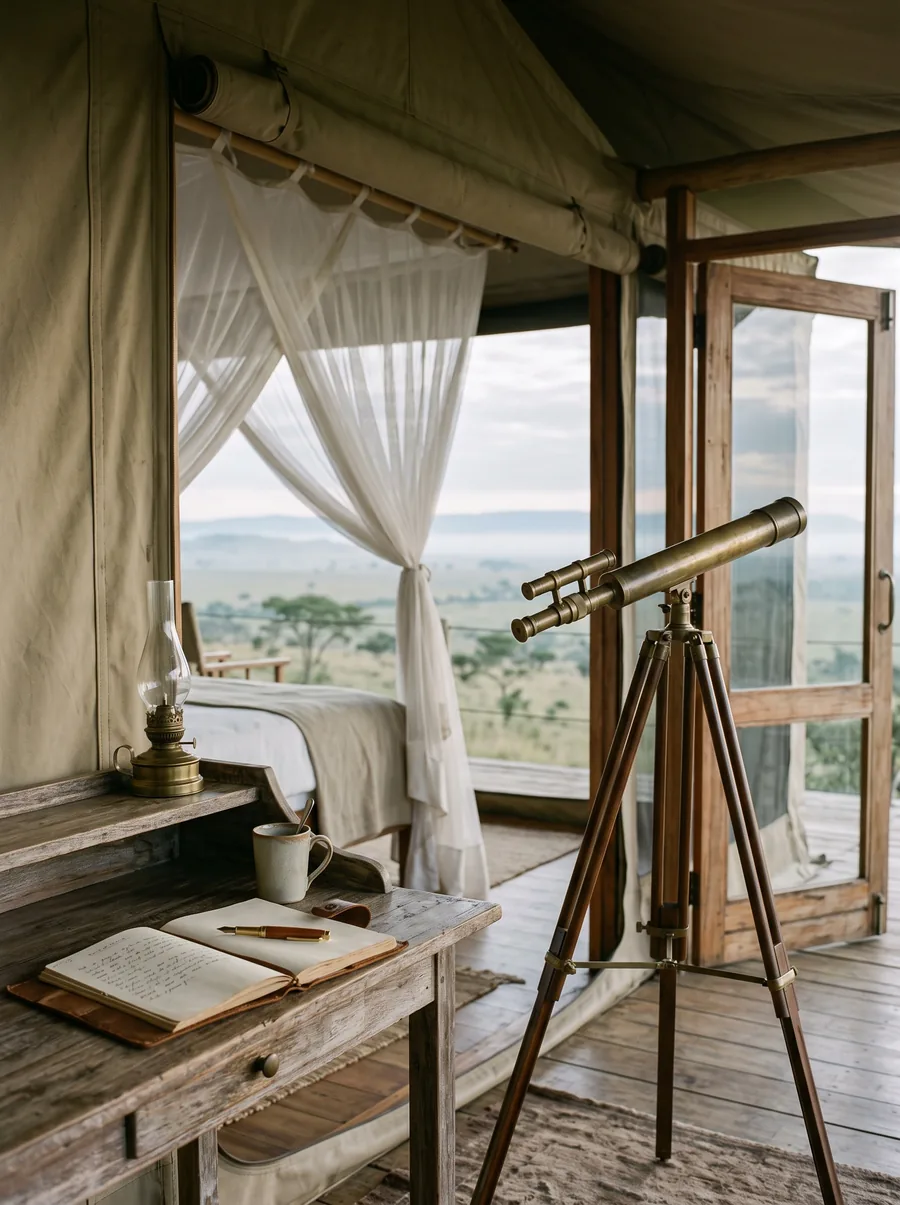
Two glass-fronted camps on the escarpment above the Mara Triangle
Panorama viewFamily hotelsDesign hotelsSustainableSmall and personalVery quiet
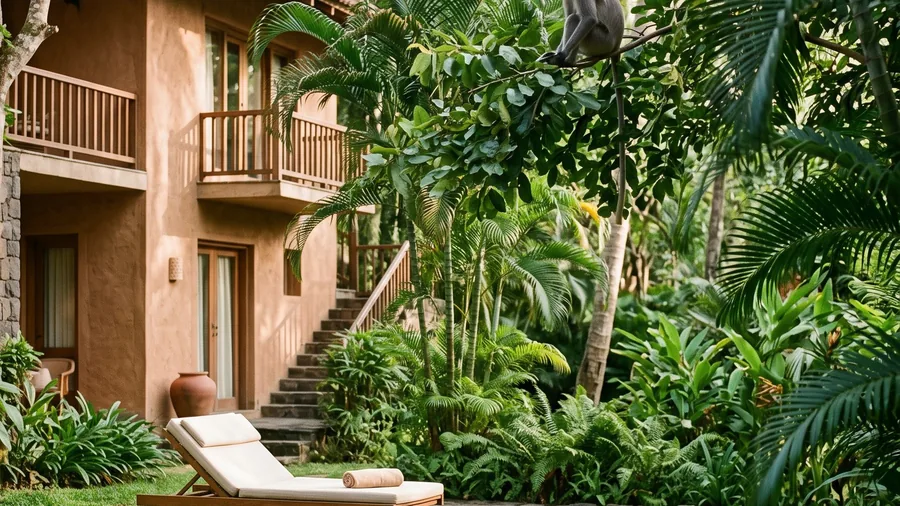
Stilted dwellings in a man-made wetland below Sigiriya rock, built for lorises and guests
Work on the wetland began in 2004, when Jetwing took on 28 acres of exhausted paddy land a few kilometres from Sigiriya and asked environmental architect Sunela Jayewardene to do something unusual with it. She dug lakes and channels, replanted marsh and forest, and only then set 36 thatched dwellings among them on stilts. The reserve opened in 2006 and has since recorded more than 140 bird species, fishing cats, jungle cats and a resident population of grey slender loris. The hotel keeps a conservation area for the loris and leads guests out after dark to look for them by red torchlight.
The dwellings follow the habitat they stand in. Water Dwellings sit over the central lake with decks at the height of the herons; Paddy Dwellings look across rice that is still planted and harvested with the village; the ten Forest Dwellings are built of earth and stone on two floors with a private pool and a walled courtyard. Rooms are cooled by their position over water and by thick clay plaster rather than by machines alone, and the buggies that carry guests along the paths are electric.
The lakes are filled entirely by harvested rainwater, wastewater is reused on the grounds, and a biogas plant turns the kitchen's food waste into gas. At dinner, ask for the Sri Lankan menu rather than the Western one. In 2023 Condé Nast Traveller included the property among its fifteen best eco hotels in the world.
The ten two-storey Forest Dwellings each have their own swimming pool; Garden and Paddy Dwellings come with plunge pools.
Abandoned paddy land became a 28 acre wetland; harvested rainwater fills the lakes and a biogas plant runs on kitchen waste.
Environmental architect Sunela Jayewardene set thatched, stilted dwellings over water, marsh and forest with no lawn in sight.
The dwellings are spread across a private reserve reached by electric buggy, with birdsong and frogs the loudest thing at night.
Just 36 dwellings share five habitats: lake, marsh, paddy, garden and forest.
Take a Water Dwelling for birdwatching from the deck at dawn, or a Forest Dwelling if you want a private pool and two floors of shade; the Paddy Dwellings are the quietest at night.
The Cultural Triangle is driest from February to April and again June to September; climb Sigiriya at opening time before the heat and the coaches, and book the loris walk for your first evening.
Sit at the restaurant's water edge for breakfast; water monitors, kingfishers and the occasional crocodile pass within metres. Allow two nights, one is not enough for the reserve.
From Bandaranaike International Airport near Colombo the drive via Dambulla takes around four to five hours; the hotel puts the distance from Colombo at 163 km and arranges a private car on request.
For wildlife watchers and couples who want the Cultural Triangle without a coach hotel.
Advantages verified on 2026-09-26 against the hotel’s own information. Policies change; confirm before you book. hotelris earns nothing from bookings. Links lead straight to the hotel.
9.4
Two glass-fronted camps on the escarpment above the Mara Triangle
 9.2
9.2
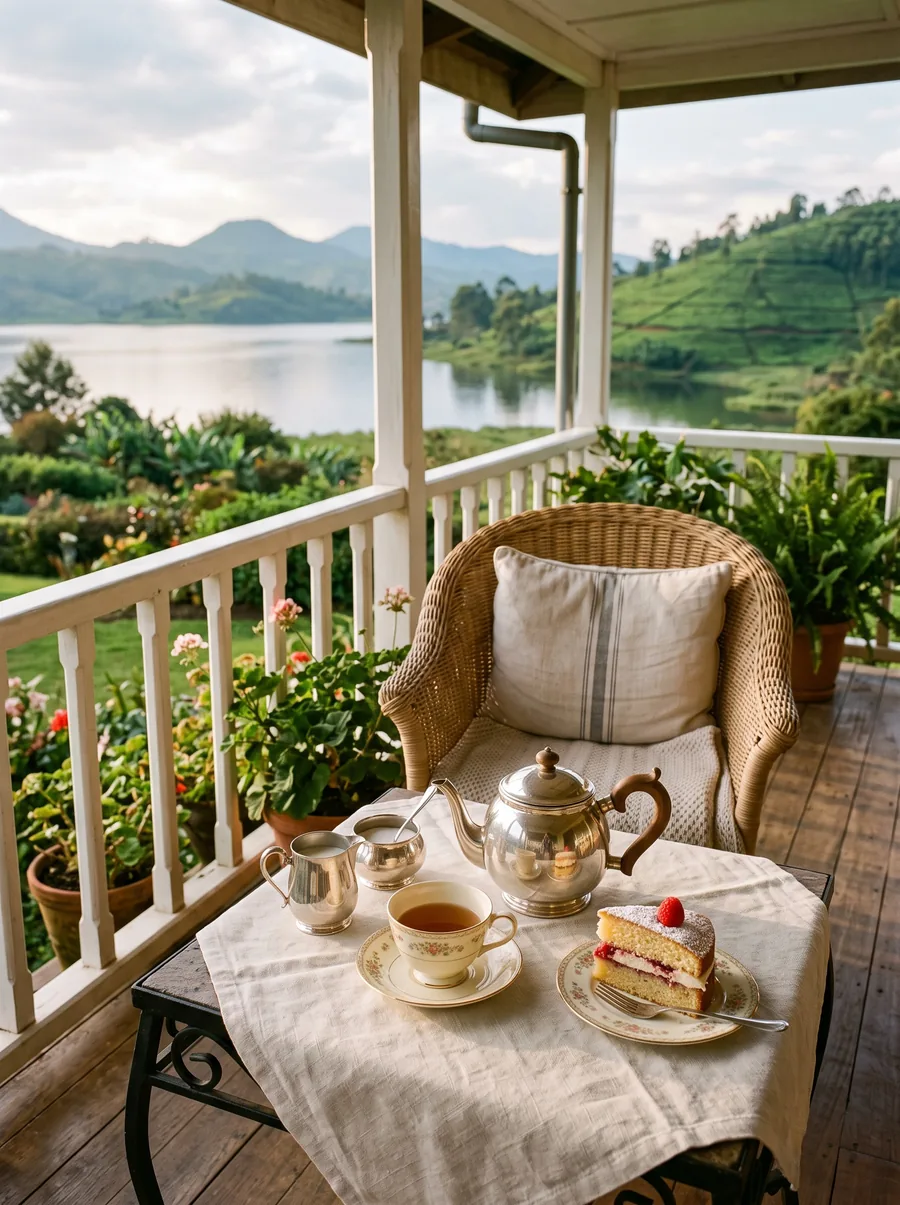
Five tea planters' bungalows above a highland lake, run like private houses
 9.2
9.2
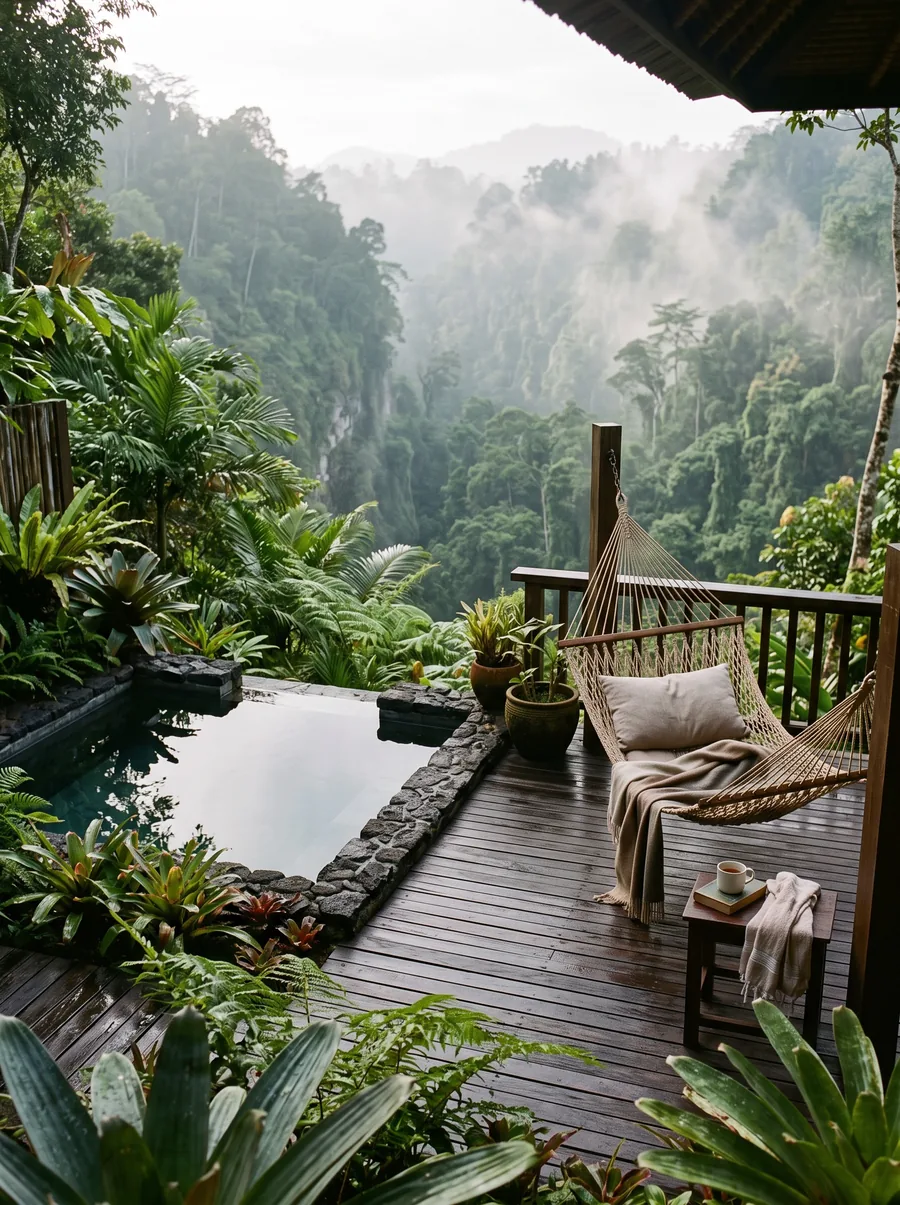
Arrive by raft, sleep above the river, leave the generator behind
New houses, verified advantages and the room to ask for. No tracking, unsubscribe any time.