Almost every hotel says children are welcome. Fewer have thought about what that means at seven in the evening, when the children are tired, the restaurant is filling with couples and the only seat left for the parents is the edge of a bed in the room the whole family shares. A family hotel in the proper sense is not one that admits children but one where the parents get a holiday too. The difference lies in a handful of details, and every one of them can be checked before you pay a deposit.
Tolerated or welcome
A house that merely tolerates children is easy to spot once you look: a cot on request but no high chair, a family room that turns out to be a double with a sofa bed, a restaurant with no early sitting and no small portions, a pool rule that children must be supervised at all times, and nothing else. A real family offer rests on four things: a club with clear hours and ages, a door between parents and children, a babysitter for the evening, and food and pools planned for small people.
Kids clubs: hours, ages and the small print
A club only helps if its hours give you a real break and your children fall within its ages. Ask what brochures leave out:
- What are the hours, and is there a full day with lunch or only a morning?
- Which ages does it take, and must a child be out of nappies?
- Does it run all year, or only in the school holidays?
- Must places be booked, and is there a charge?
- How many children does each carer look after, and which languages do they speak?
1 Hotel South Beach in Miami Beach answers several of these in writing. Its Seedlings Kid Camp on the third floor takes children from four to ten, for a full day from 10am to 5pm with lunch or for half a day, and places must be reserved. That is enough for a proper parents' day: the Bamford Wellness Spa is on the second floor, and 600 feet of Atlantic beach with loungers and cabanas lie at the door. For sleep, ask for an ocean front room on an upper floor of the main tower, since the courtyard side looks onto the pool deck and hears it.

A door between you and the children
The most useful feature of a family room is an inner door. A suite with a separate bedroom, or two interconnecting rooms, lets the children sleep at eight while the parents read, talk or have dinner brought up. Be precise: some hotels call rooms adjoining when they merely stand side by side, so ask whether there is a door between them, and book the pair as a guaranteed unit rather than a request.
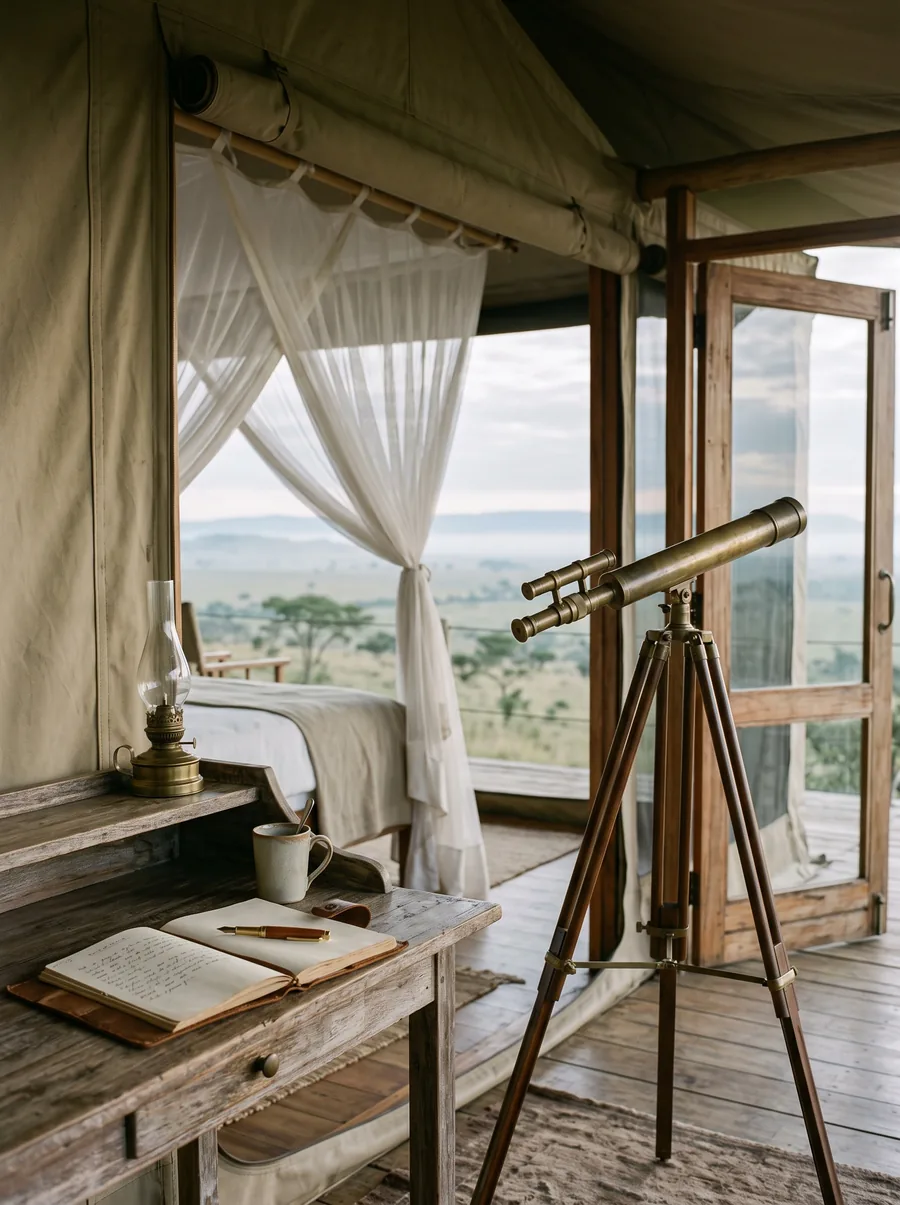
Angama Mara, two camps of fifteen glass-fronted tents on the escarpment above the Mara Triangle in Kenya, has exactly this: two pairs of interconnecting tents in each camp, which is where families stay. With only two pairs per camp, ask for them in your first enquiry. Many safari camps set a minimum age, at least for shared game vehicles; here children of all ages are welcome, childminding is available, and a solar-heated pool and a Maasai beading studio fill the hours between drives. The drives start below the cliff within minutes, and scheduled flights from Nairobi Wilson take about 45 minutes.
Babysitting, meals and the evening
Family holidays tend to fray at dinner rather than at the pool. A hotel that can send a babysitter to the room gives the parents their evening back, but ask how it works: whether the sitters are hotel staff or come from an agency, how far ahead to book, whether there is a minimum number of hours, and which languages they speak. A children's menu matters less than flexibility, meaning an early sitting, small portions from the main menu or a kitchenette for a simple supper of your own.
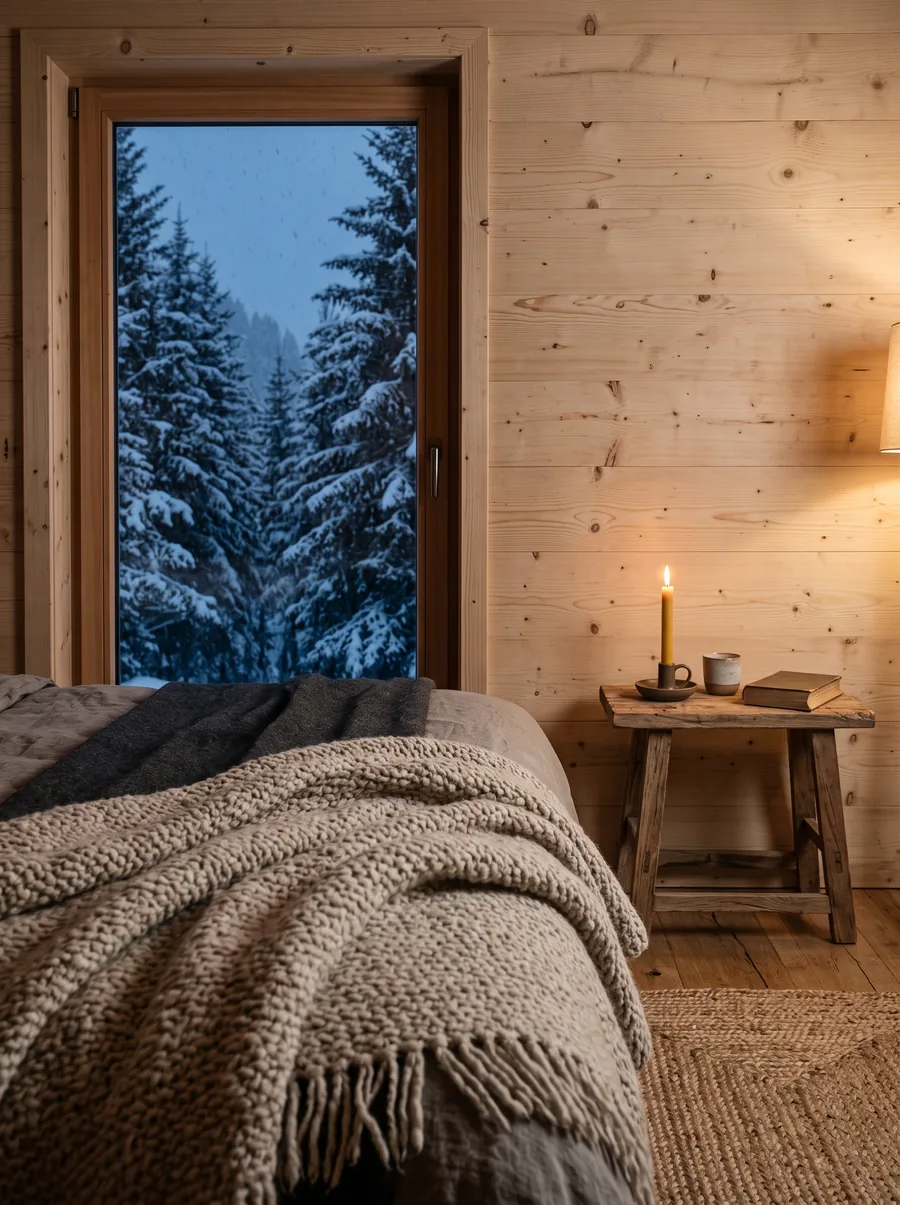
The Arctic TreeHouse Hotel near Rovaniemi brings several of these pieces together. Its TreeHouse Suites connect for families and have kitchenettes, babysitting can be arranged, and SantaPark, run by the same company, is next door for younger children, with Santa Claus Village within walking distance. The airport is about five minutes away by car, and until mid April a heated sledge towed by a snowmobile turns the transfer into half an hour through the forest; book it through guest service before you fly. For snow and the aurora without the Christmas crush, come between late January and mid March.
Pools, beaches and room to breathe
Pool safety is the question parents ask last and should ask first. Is there a lifeguard, a shallow end, a fence or a gate? Private pools and hot tubs in villas and suites are often unfenced, which changes a holiday with a toddler. Duplex suites mean stairs; on a beach, ask about currents and flags.
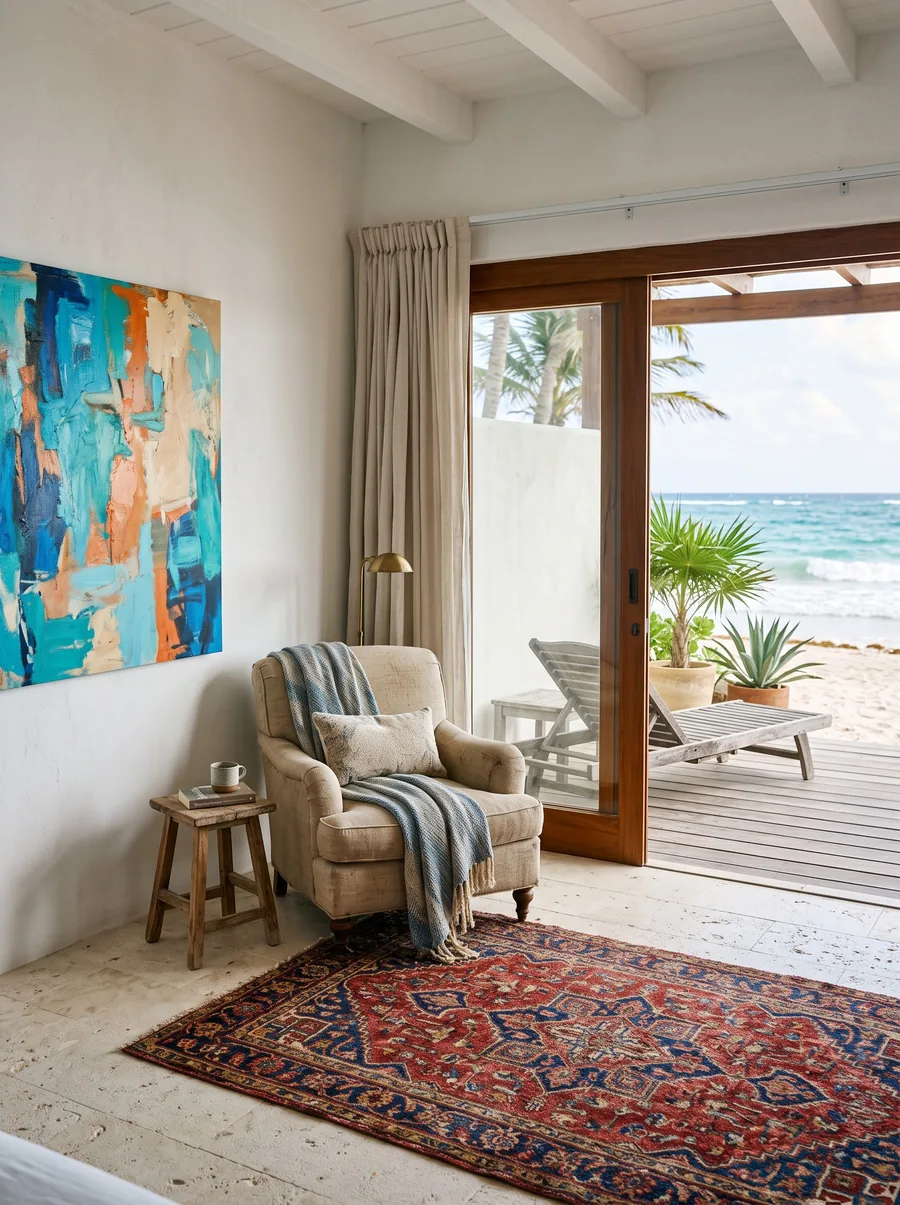
Casa Malca in Tulum makes its family case with space. The Family Village Suites, with a king and a queen bed and two rain showers, are laid out for four, as is the duplex Townhouse Labyrinth Suite wrapped in a hedge maze, and every suite sleeps at least three. With small children, take a ground floor Master Suite Beachfront, whose private terrace opens straight onto the sand; the upper balconies have the better view but mean walking through the house to the beach. The hotel stands at the quieter southern end of the beach road, and the family dog is welcome too. If you are tied to the summer holidays, check the beach cams before booking: from June to September sargassum can reach this stretch, while November to March brings the clearest water.
Ages and supervision: the questions that decide it
Hotels often define a child differently for the club, the extra bed and the restaurant, so give your children's ages when you enquire and ask what each means in practice. Which areas have a minimum age, from the spa to the pool after dark? Must a parent stay on the property while a child is in the club? Who looks after the children, and are they trained in first aid? Can siblings of different ages stay together? The right house is the one where each parent can hand the children over for an afternoon without worry, and the two of you can have dinner together at least once.