Few phrases on a hotel website cover as much ground as “dogs welcome”. At one house it means rooms that open straight onto a meadow kept for dogs, with a bed and bowls waiting. At another it means one ground floor room by the service entrance, a nightly charge and a dog that may not enter the restaurant. Both are telling the truth, and both appear under the same filter on a booking site. The difference shows after arrival: at eleven at night, when the dog needs its last walk, or at dinner, when you learn where it may lie. A handful of questions before you book settles most of it.
Size, number and the room you may book
Start with the dog. Many houses cap the weight, some allow only one dog per room, and a few exclude certain breeds, sometimes because local rules require it. These limits rarely appear on the booking page; they sit in the terms or in a reply from reservations. Put your dog's breed, weight and age into the first email, and ask whether the rule covers every room category or only some.
Sublime Comporta, a small village of timber cabanas among the umbrella pines south of Lisbon, shows why the second half of that question matters. It sets no weight limit and takes dogs of any size, but only in the Cabana Rooms, the Cabana Suites and the villas. The Spa Rooms do not take pets, and dogs stay on a lead in the public areas. “Dogs welcome” can be true of a hotel and still untrue of the room you wanted.
What the fee pays for
Charges usually take one of three forms: a nightly rate, a one-off cleaning fee or a deposit against damage, and some hotels combine them. Ask which applies, whether it is counted per dog or per room, and what it buys. A fee that buys a bed, bowls and a towel by the door is not the same as one that only pays for extra cleaning.
Both models exist side by side. Sublime Comporta asks for a cleaning fee and a deposit and has the bed and bowls ready. Storfjord Hotel, thirty rooms in four log-built houses in the forest above the Storfjord in Norway, charges a nightly fee for well behaved dogs in selected rooms, and owners bring bed and bowls themselves. What it offers instead is room to walk: two and a half private hectares inside thousands of hectares of forest, reached by a minor local road. Ask which rooms are the selected ones before you set your heart on a particular balcony.
Where the dog may sleep, eat and stay alone
Does the dog sleep in your room, and may it use the furniture or only its own blanket? Which restaurant, bar or terrace will seat you together? Many houses allow dogs in the bar or on the terrace but not in the main dining room, and spas are almost always closed to them. If breakfast is the only meal you cannot share, that is easy. If it is every meal, you will spend the week eating in shifts.
Then ask the question many owners forget: may the dog stay alone in the room? Some hotels forbid it, some allow an hour or two as long as the dog stays quiet, and some can recommend a sitter. Housekeeping will often not enter a room with a dog alone inside, so agree a time for cleaning while the two of you are out.
Crosby Street Hotel in SoHo gives the generous answer. Well behaved dogs up to 40 pounds, about 18 kilograms, are welcome, get treats on arrival and may be left alone in the room, which is what makes a dinner out possible. Firmdale's terms for its American hotels add that pets need written approval, so have it in your inbox before you travel.
Walks, gardens and beaches
A dog needs somewhere to go at seven in the morning and at eleven at night, and hotel photographs rarely show where. Check the map: a house on a main road with a car park for a garden means walks on a lead beside the traffic. Ask whether dogs may use the grounds, whether any area is fenced and where they may run off the lead. On the coast, ask which beach allows dogs in which months: many public beaches restrict them in the bathing season, so the beach in the brochure may be closed to your dog in July.
What a dog-friendly house does differently
Houses that mean it plan for the animal instead of tolerating it, and Das Kranzbach, an English country house below the Wetterstein range near Krün, is a good model. Seventeen of its rooms open straight onto the hotel's own dog meadow, each with a bed and bowls, so the late walk starts at your own door. The rule is one dog per room, with a nightly charge, and around the house lie 130,000 square metres of alpine meadow on a plateau at 1,000 metres, with no through road.
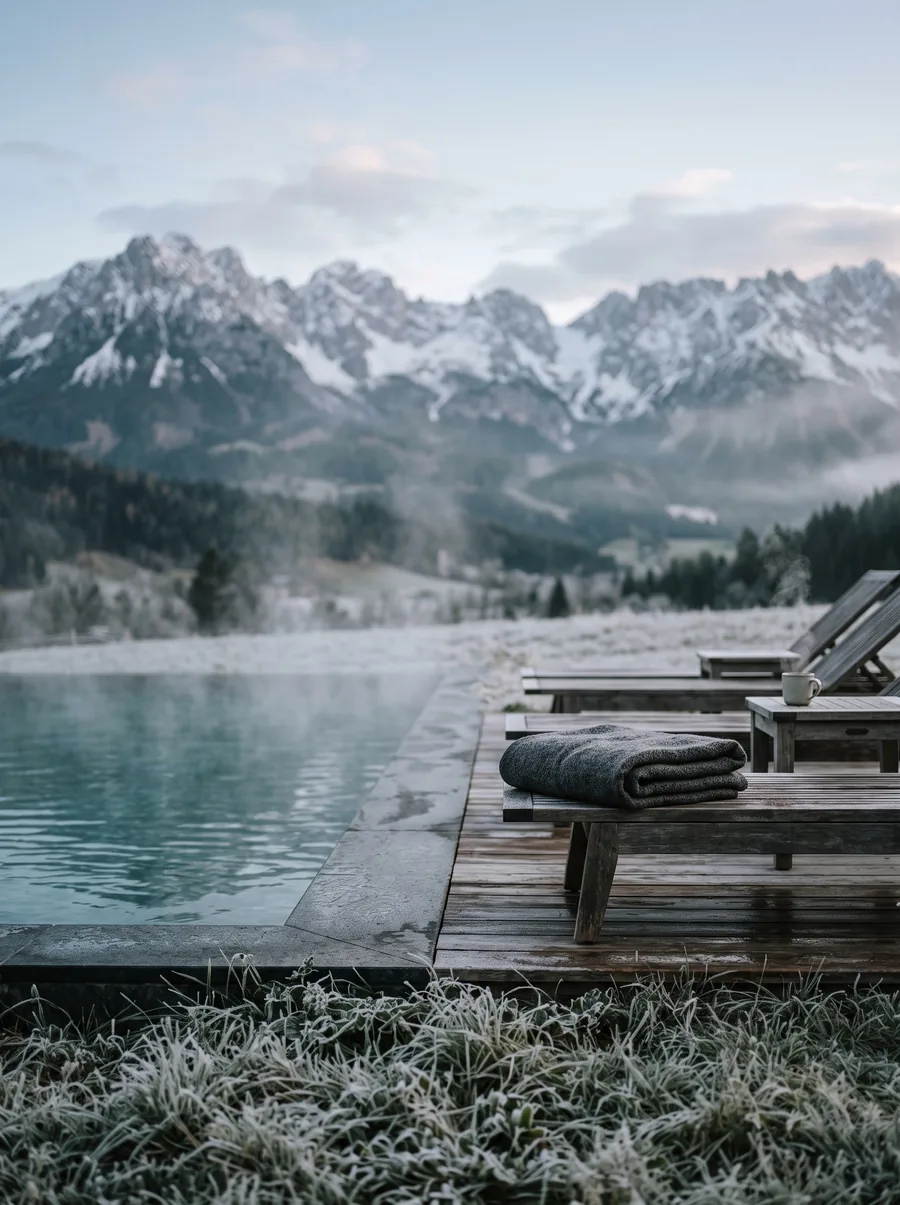
Elsewhere, look for the same habits on a smaller scale: dog rooms on the ground floor or with their own door to the outside, a towel by the entrance for wet paws, staff who know the nearest vet and the paths where dogs may run free, and rules that are written down and read the same in every email.
Reading the policy page
Read a pet policy as carefully as the cancellation terms, and look for six things:
- which room categories take dogs, and how many such rooms there are
- limits on weight, number and breed
- every charge, and whether it applies per night, per stay or per dog
- where dogs may not go: restaurant, spa, pool, beds and sofas
- whether the dog may stay alone, and for how long
- what the hotel provides and what you bring yourself
Watch the soft words. “On request” means someone will decide later, so get the decision before you pay. “Small dogs” without a figure means reception decides what small is. Then send one email with your dog's details, the room you want and the rules as you understand them, and ask for a written reply. Keep it with the booking, alongside the vaccination record and, for a trip abroad, the entry rules of the country you visit.