Most people choose a hotel from the photographs of its rooms and its pool, and only later notice what shaped the stay most: the size of the house. In a hotel of several hundred rooms you are a booking reference: you queue for eggs at eight, and the desk learns your name on the morning you leave. Below forty rooms that arithmetic changes. So do the costs, which no photograph shows, and the word small is claimed by more hotels than have earned it.
What forty rooms change
The first difference is memory. With a few dozen guests in the building, the people at the desk, in the kitchen and behind the bar see the same faces all day and talk to one another, so a request made at breakfast is known by dinner. The second is the absence of queues: no coach party empties the breakfast room at half past seven, and check-in is a conversation rather than a counter. The third is flexibility. Where breakfast is cooked for a handful of tables, eggs done your way, a later start or a tray in the room are usually a matter of asking the evening before.
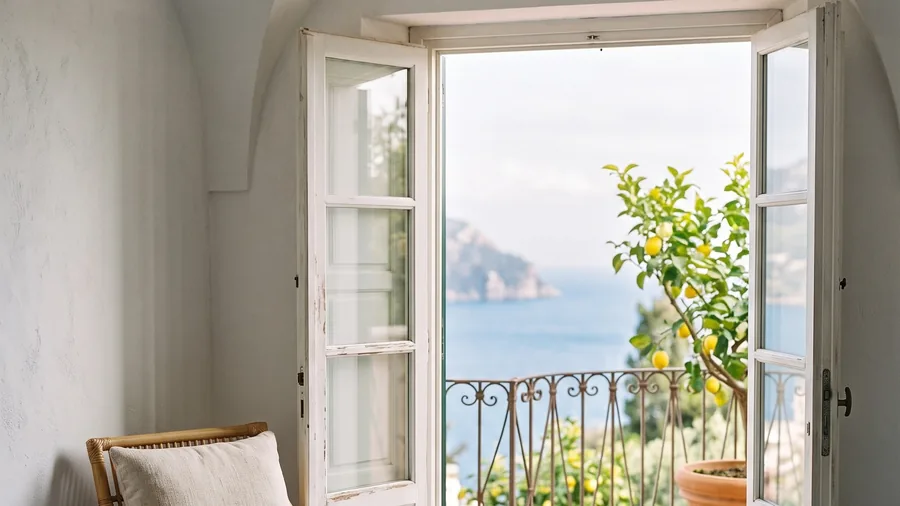
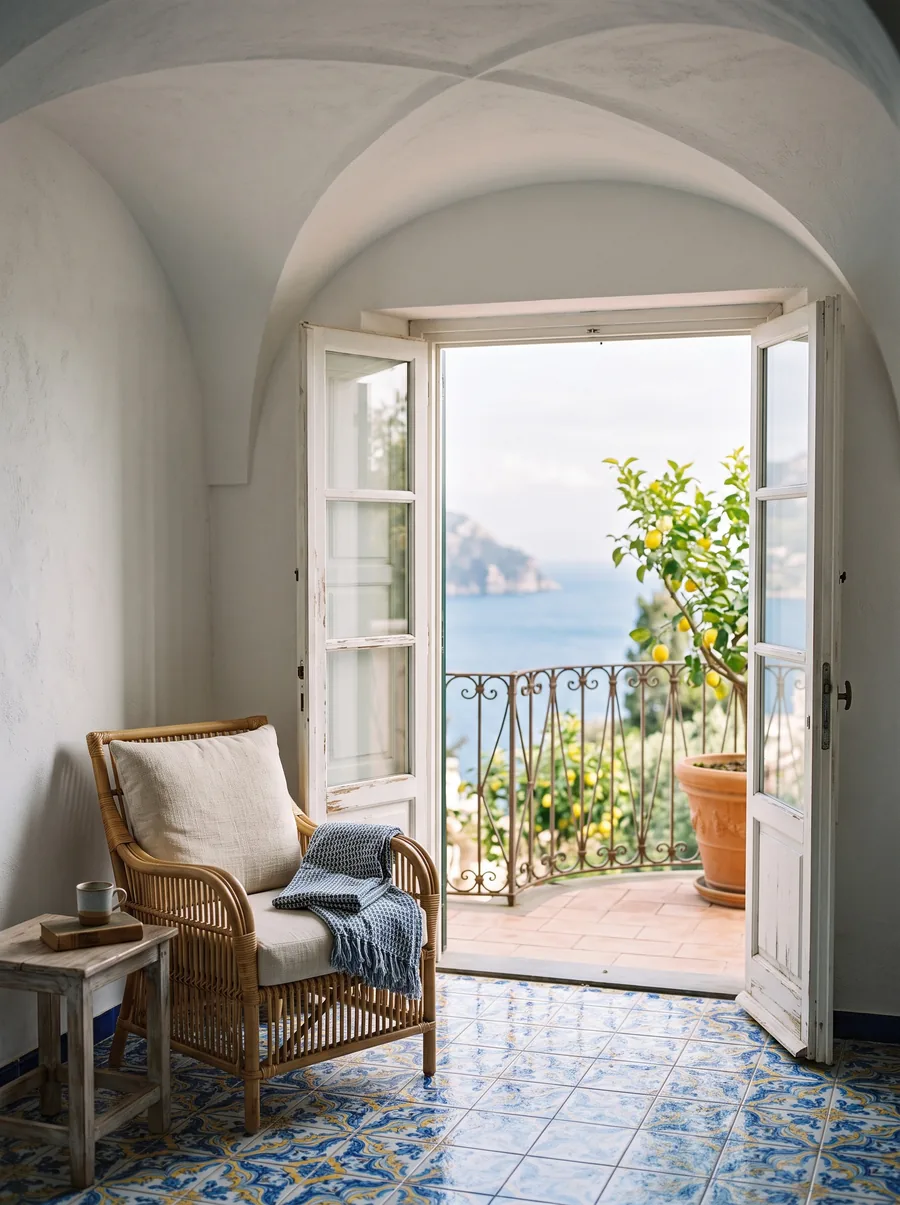
Hotel La Minerva on Capri shows what that looks like when one family has done it for generations. Luigi Esposito and Laura Cannavale first let two rooms of their house to travellers in the early twentieth century; today the third generation, Antonino, Luigi and Marco with their mother Giovanna, run nineteen rooms on six levels that step down the hillside. Breakfast is taken on the roof and made in the house: lemon marmalade, torta caprese, whatever the kitchen baked that morning. Even the arrival is personal: the last stretch is stepped lanes that no taxi reaches, so porters booked through the hotel carry your luggage up from the port.
What you give up
Small is a trade, not a free upgrade. Expect one restaurant rather than four, sometimes no lunch at all, and a kitchen that closes earlier than a resort's, often because the same small team also cooks breakfast; if you land late, ask whether a plate can be left in the room. Not every small house has a night porter. Some lock the door at midnight and hand you a code or a key, which works until a delayed train leaves you ringing a bell nobody hears. Lifts, car parks, gyms and pools long enough for lengths are the first things a small building leaves out.
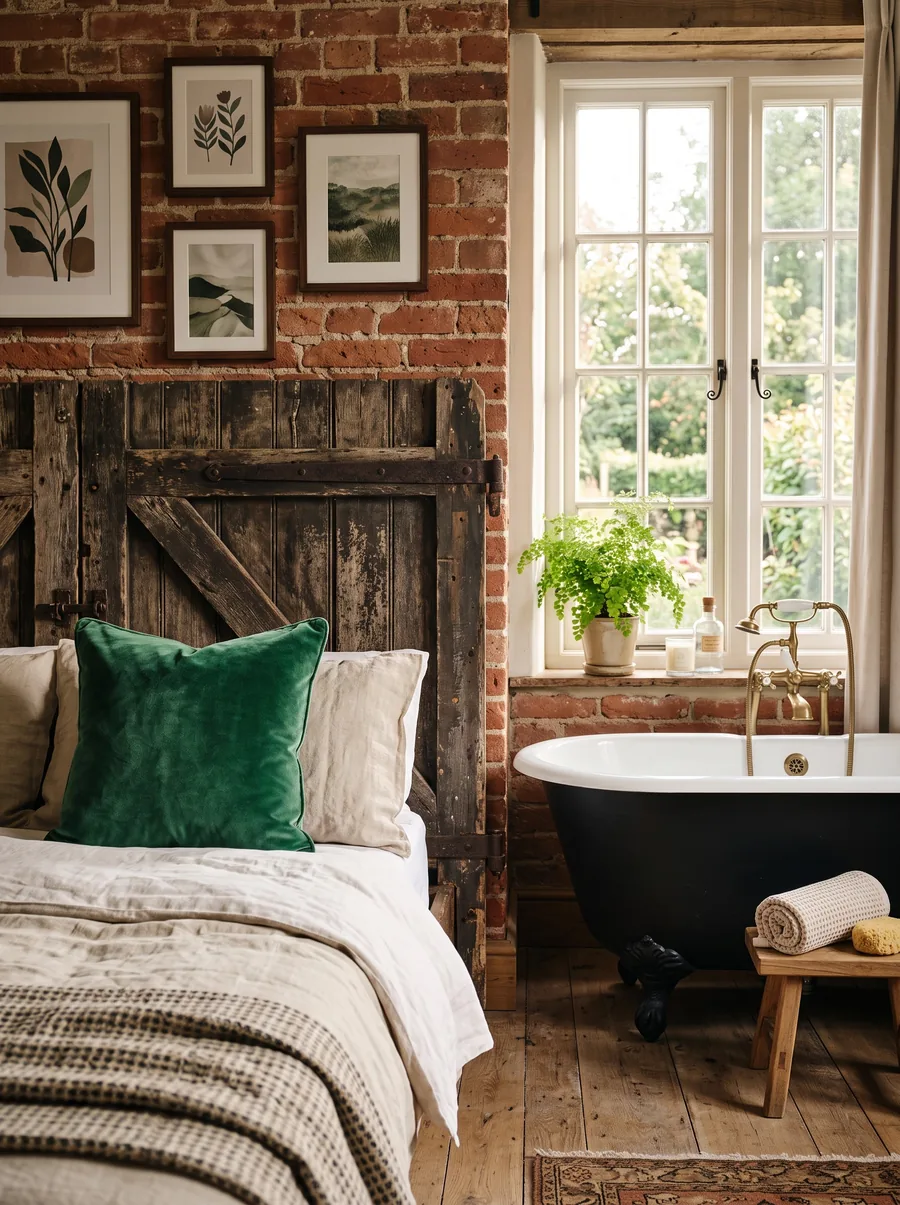
Artist Residence London shows both sides of the bargain. Its ten rooms fill three floors of a listed townhouse in Pimlico. There is no lift, though the staff carry the cases up, and no car park; the hotel's FAQ gives a discount code for the Q Park on Cumberland Street, three minutes away on foot. In return the house is small enough for the staff to know who is in the building and what you had for breakfast. Cambridge Street Kitchen downstairs serves guests and neighbours alike from breakfast to dinner, so book a table when you book the room.
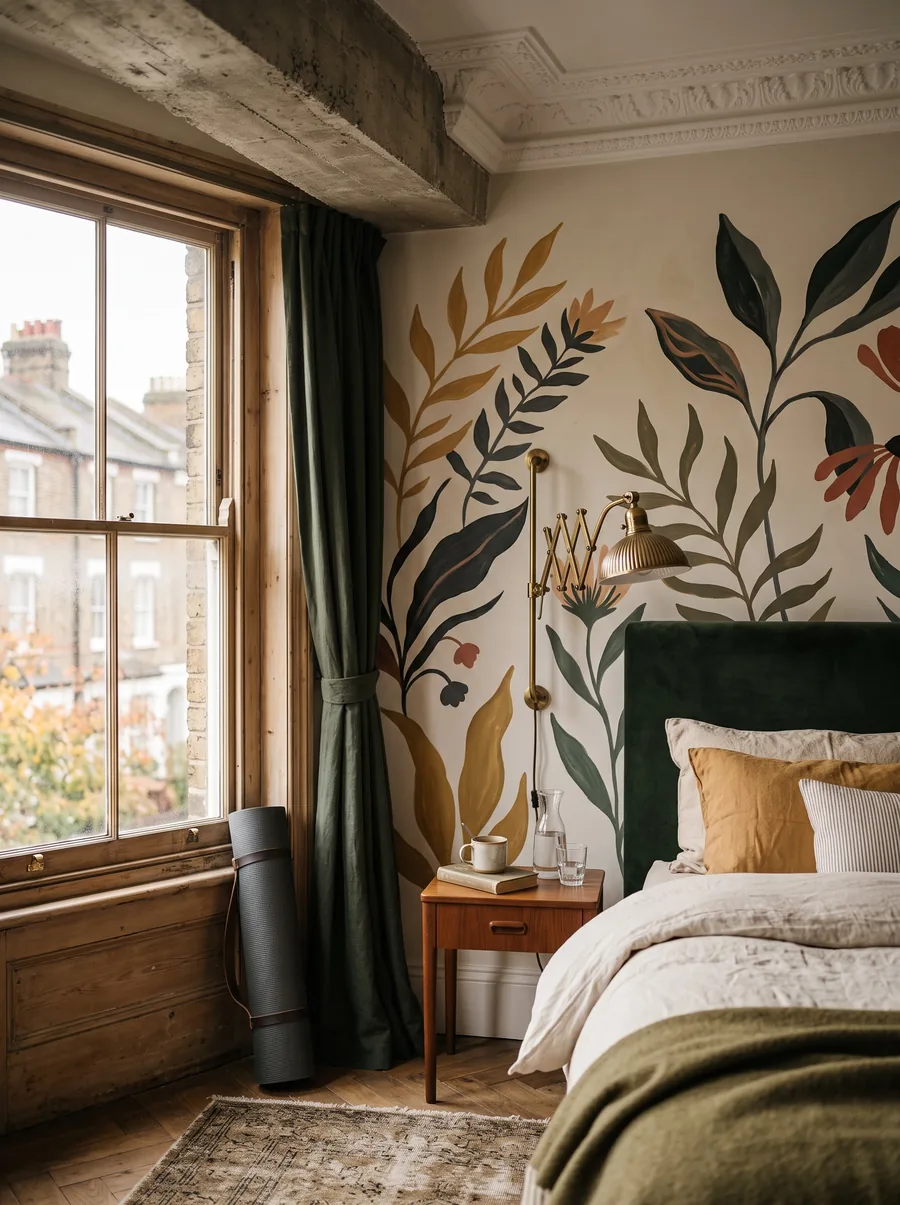
Facilities shrink to fit as well. Gorgeous George in Cape Town sits near the top of the range, with 32 rooms and suites plus a penthouse in two joined heritage buildings. Its rooftop pool is small and glass-sided, built for cooling off rather than swimming lengths, so go up early if you want a lounger to yourself. The compensation lies in the details: breakfast starts at seven on the sixth floor, a yoga kit is available on request, and reception will tell you which streets to use on foot. After dark, take a cab.
Count the keys, not the rooms
Small is the easiest word in hotel marketing to stretch. A resort can give one wing its own reception and call it a boutique hotel, and a house with a modest room count may share its pool or beach with apartments next door. The honest measure is the number of keys on the whole property, villas, residences and annexes included, because everyone who holds one uses the same breakfast room, terrace and shore. If the website does not give that total, ask.
Filario, at Lezzeno on the eastern shore of Lake Como's western arm, shows how to read the count. The hotel has thirteen rooms, each on the water with its own terrace, and beside them twenty-two residences with kitchens, where some guests settle in for a fortnight. Together that is still fewer than forty keys. But the beach, one of the very few on the lake you can actually swim from, is reserved for hotel guests and residents alike, so picture the shore shared rather than empty. Small also means planning ahead: the hotel asks guests to arrange the airport transfer in advance, and regulars have the front desk book the water taxi to Bellagio the day before.
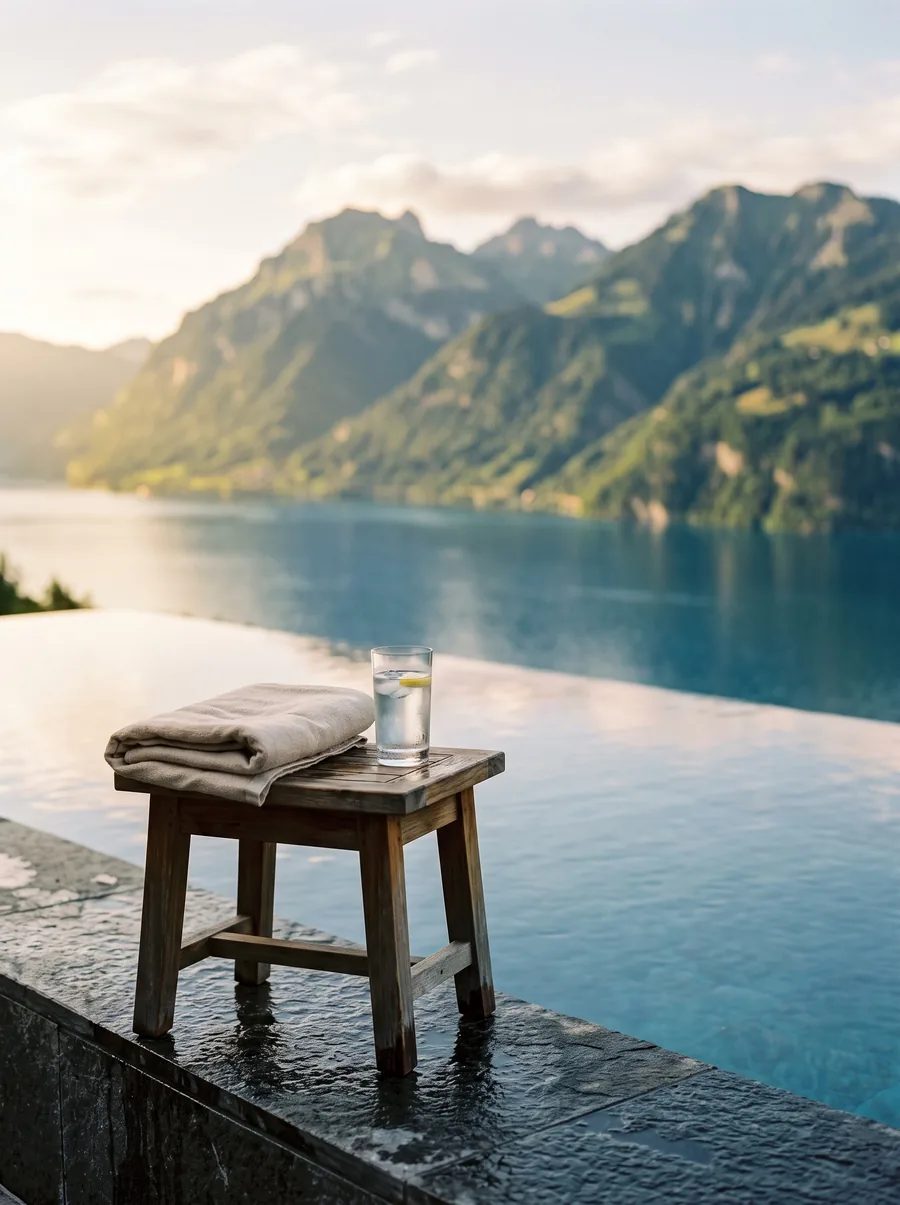
How to read the website
A small hotel cannot hide behind a brand, so its website tends to reveal its character. Look for names: a house that says who owns it, who runs it and since when has someone who answers for it. Read the room descriptions for what they leave out; if the better rooms mention a terrace and the cheaper ones do not, assume there is none. A good FAQ covers stairs, luggage, parking, dogs and late arrival. The breakfast photograph says a lot too: a few laid tables and an open kitchen door suggest eggs cooked to order, a long counter of steel dishes a buffet built for numbers. Then write with one specific question. A small hotel should reply within a day, from a person who signs with a name and answers the question you actually asked.
Questions for the reservations desk
- How many keys are there in total, counting villas, residences and annexes?
- Who is in charge during my dates, and how long have they been there?
- Until what time does the kitchen serve, and is dinner offered every night?
- Is someone on the premises all night, and how do I get in if I arrive late?
- Is there a lift, and if not, who carries the luggage?
- Can breakfast be earlier, later or served in the room?
The answers matter less than the way they arrive. A house that replies quickly, precisely and in its own voice is usually the house the photographs promised.