“Adults only” is often booked as a promise of quiet, and it is not one. The label says who may stay. It says nothing about the band at dinner, the swim-up bar, the day guests who arrive at ten or the group celebrating a birthday by the pool. The minimum age varies too: some houses draw the line at twelve, others at sixteen or eighteen, and a sixteen-year-old is a different neighbour from a toddler. Meanwhile some family hotels are calmer than any adults-only resort, because quiet comes from the setting, the layout and the season rather than from the guest list.
What the label promises, and what it does not
Read the age rule precisely. Does it cover the whole property or one wing, the whole year or only outside the school holidays, and does it apply to day visitors at the spa and restaurant? Then look for what an age limit does not control: live music, a DJ by the pool, a bar that stays open late, day passes sold to people staying elsewhere, and the party atmosphere some adults-only resorts cultivate on purpose. None of this is wrong, but each is the opposite of what many couples imagine when they tick the box.
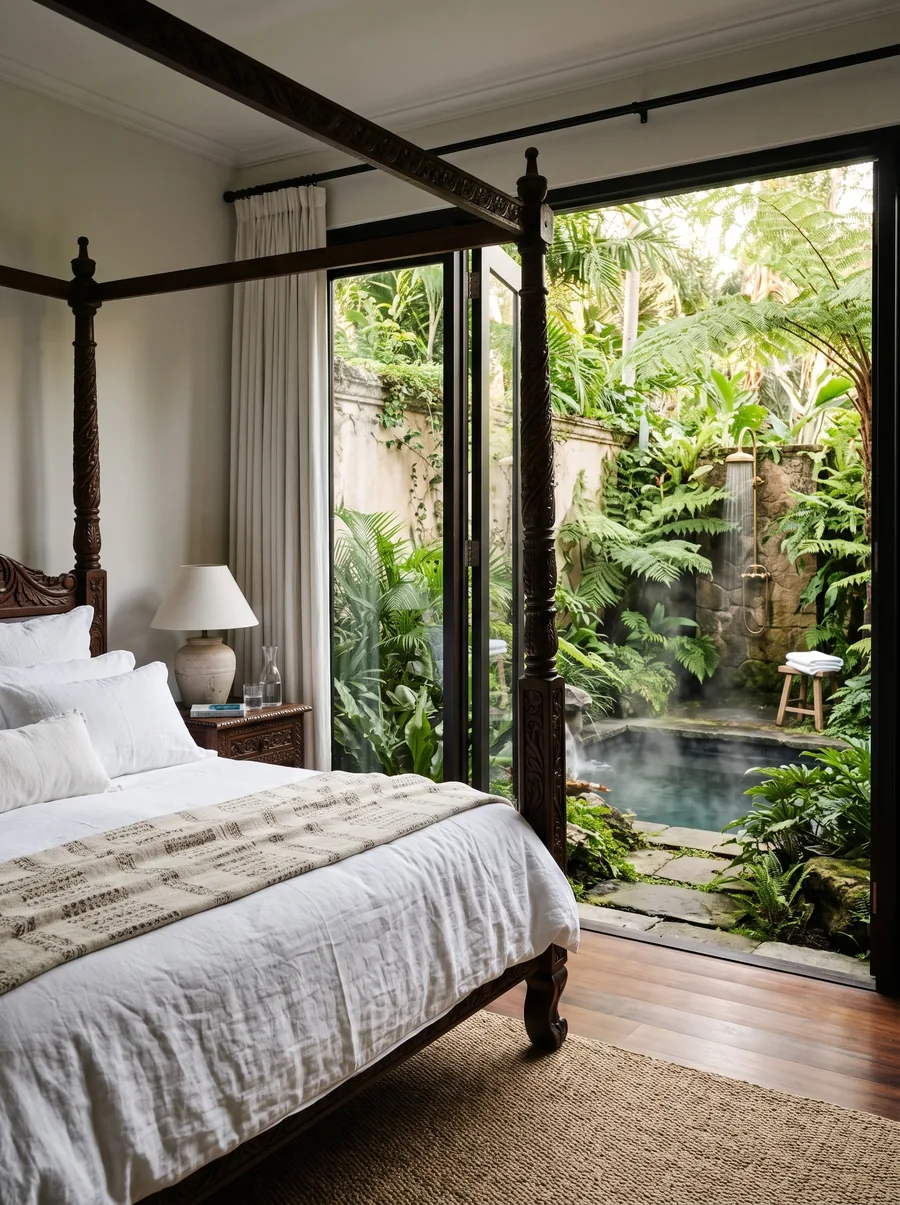
Nayara Springs in Costa Rica is a true adults-only house: every guest must be eighteen or over, and families stay next door at the sister property, Nayara Gardens. An age limit, though, is not a volume limit. Amor Loco, the fine dining room, has live music in the evening, and cocktails belong to Cielito Lindo, the swim-up bar. The villas themselves are detached, about 139 square metres each, with a plunge pool fed by the hot springs on a private terrace. There is only one category, so the choice comes down to position: ask for a villa away from reception and the restaurants if privacy on your own pool terrace matters most.
Read the map before the brochure
Quiet is mostly geography. Open the map and look at what lies within a kilometre or two of the hotel: a through road, a port, a beach club, a nightlife strip, a coach park. Switch to the satellite view and check whether the pool faces a public beach or sits behind the building. Look at the approach as well: a house reached only by a narrow lane, a boat or a footpath rarely hears passing traffic.
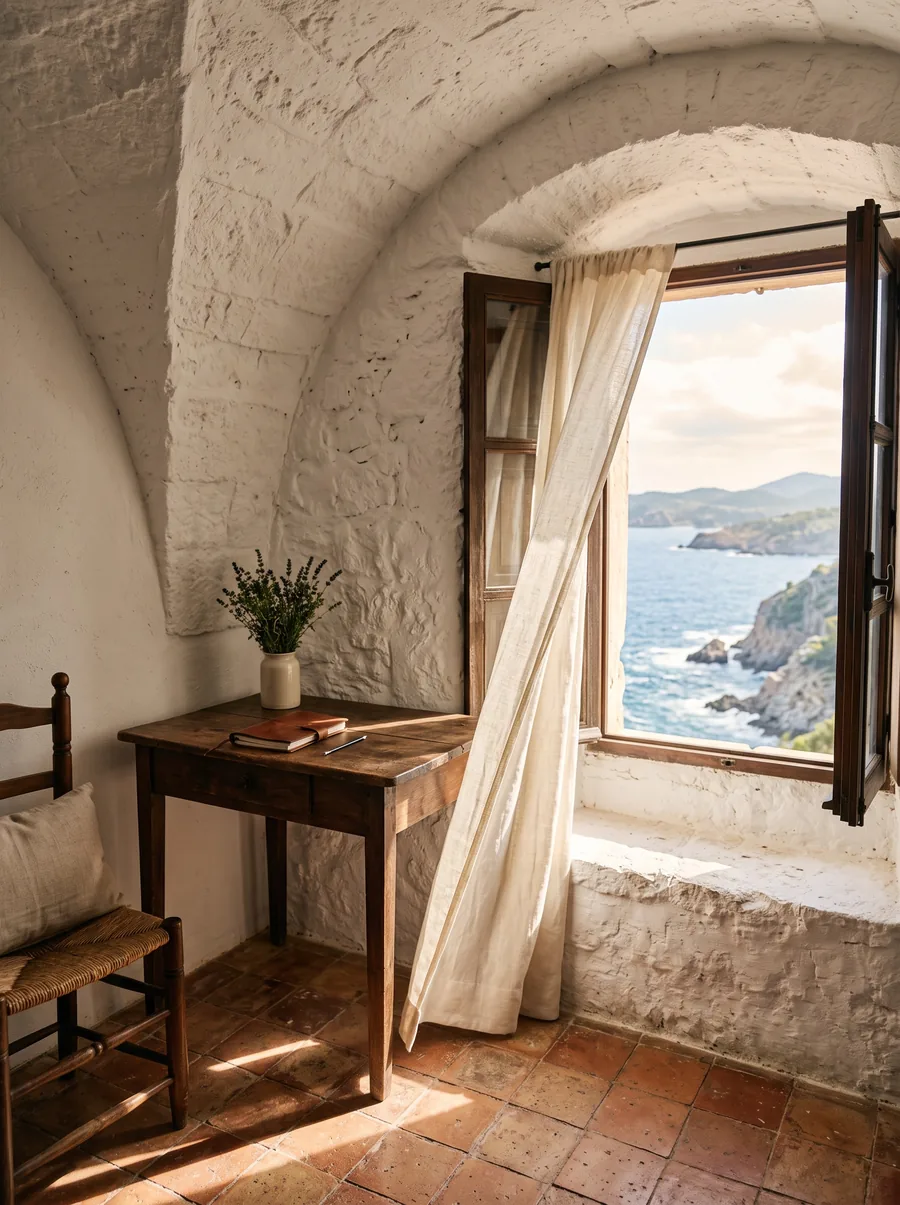
Monastero Santa Rosa on the Amalfi Coast shows what the map can tell you. It stands on a promontory at Conca dei Marini, the quiet stretch between Amalfi and Positano, a fishing village with few reasons for coaches to stop. The monastery dates from the late seventeenth century, its seclusion is still the point, and all twenty rooms and suites look out to sea. The house accepts guests from sixteen upwards, so the age rule and the location work together. Season matters too: in May and late September the pool is heated and the dinner terrace warm, while Amalfi below is far calmer than in July and August.
Room position and the restaurant
Inside a hotel, the quiet rooms are those furthest from whatever makes noise: the bar, the pool, the kitchen yard, the lift and the path to the beach. Ask for the room plan, or at least which rooms sit above or beside the bar and the restaurant. Ground floor rooms that open onto sand or lawn trade quiet for convenience; an upper floor puts some distance between you and whatever happens below. Restaurants matter as much as bars. A buffet hall seating hundreds brings clatter and queues to every meal, while a kitchen that cooks to order keeps the evening at the level of conversation.
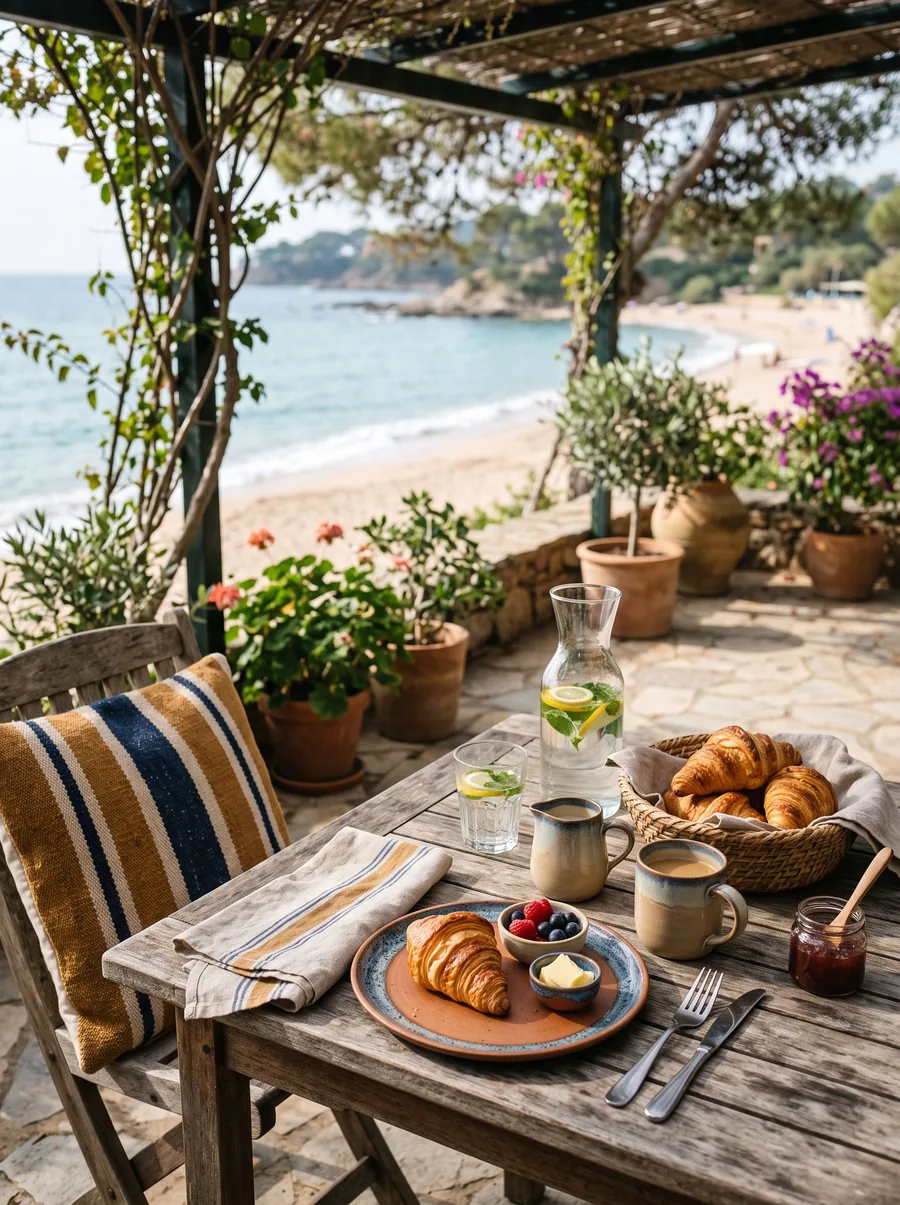
SALT of Palmar in Mauritius makes both points. It takes guests aged 16 and over and has no buffets anywhere: The Good Kitchen cooks to order, and Tek Tek seats ten for a tasting menu. None of the 59 rooms has a television; there is a shelf of Mauritian books and a radio instead. Bang on Beach rooms on the ground floor open onto the sand, Best on Beach rooms on the upper floor add a terrace and a clear view over the reef, and Garden View rooms look onto the planting. Upstairs buys distance, downstairs the sand at your door; decide which matters more before you book.
A family house can be the quiet one
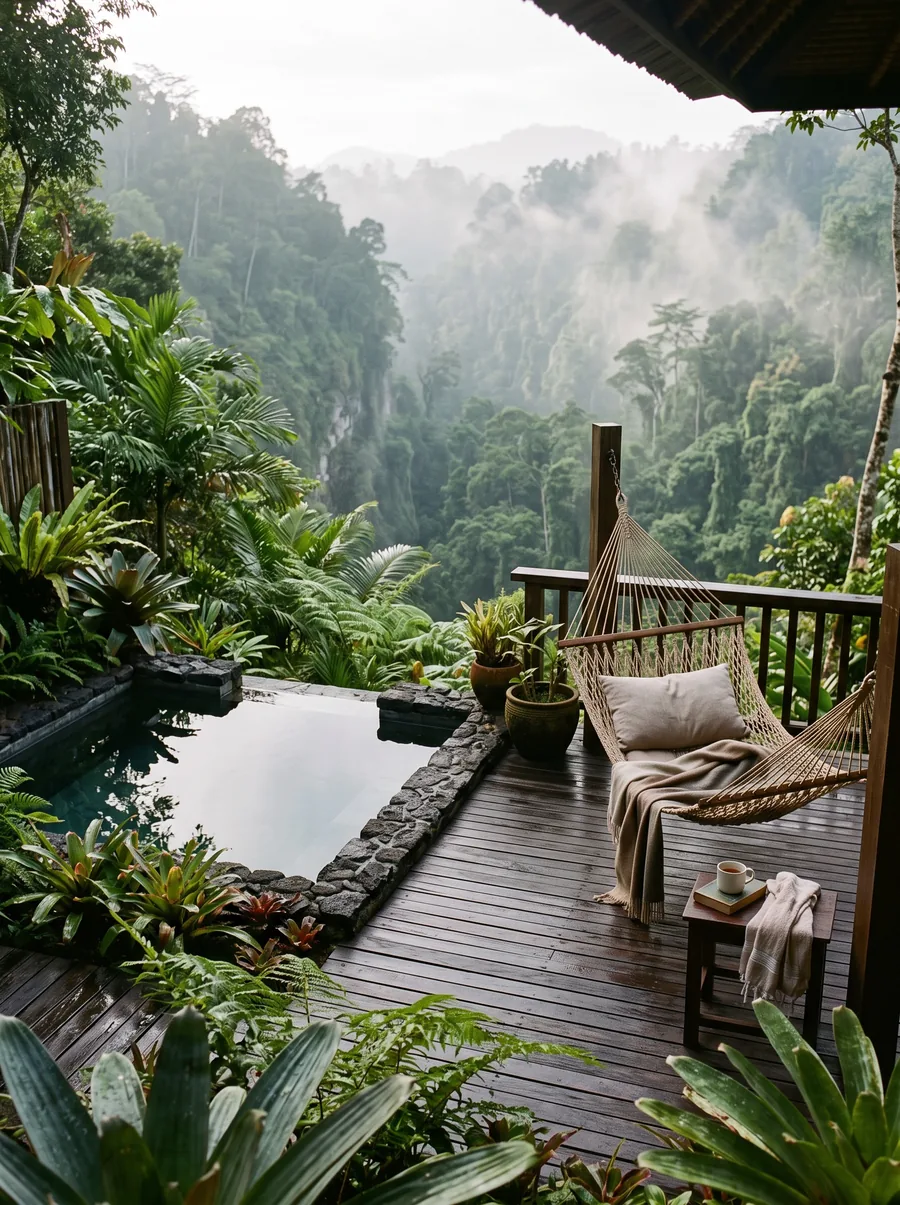
Some of the calmest places accept children, because what they lack is not young guests but sources of noise: roads, generators, nightlife, crowds. Pacuare Lodge in the Costa Rican rainforest takes children from seven and is made for active couples and older families, yet no road reaches it. The only sounds are the river, the forest and the occasional raft going past. Its twenty suites and villas stand alone along the riverbank and up the slope, and power comes from micro turbines in the stream and solar panels rather than a generator. Children must be nine to raft in and twelve to raft out; younger ones arrive by 4x4 and gondola. Season matters here too: December to April is dry and busiest, while September to November brings the most water on the river and the emptiest lodge.
Season, and the questions to ask
The same hotel can feel like two different places depending on the month. School holidays fill family resorts and change adults-only houses nearby as well, because the villages, beaches and boats around them fill up too. Long weekends bring groups, and in many tropical destinations the dry months are also the busiest. If quiet matters more to you than the absence of children, search by setting and season as well as by age rule, and before booking ask the hotel:
- what the minimum age is, whether it covers the whole property all year, and whether day guests may use the pool, spa or restaurant
- whether there is live music or a DJ, on which evenings and until what time
- which rooms lie furthest from the bar, the pool and the kitchen, and which lie above them
- whether weddings, other events or building work are planned for your dates
- which weeks are the busiest, and which the quietest
The answers usually reveal more than the label. A hotel that tells you the band plays on Fridays until eleven and names the rooms to avoid is a hotel you can trust about the rest.