At a hotel with a starred restaurant, dinner is usually the reason for the journey, yet it is often the last thing booked. Guests choose the dates, pay for the room and only then ask about a table, to find the dining room full on both nights, closed on one of them or serving a menu they cannot eat. A room can be moved; a missed table at a small restaurant on a remote coast cannot. So reverse the order: settle the dinner first and let it decide the dates, the room and even the time you set off.
Book the table, then the room
A starred dining room is often small, and it usually serves outside guests as well as residents. Before you book anything, ask which evenings within your dates still have tables, whether hotel guests get priority, and whether the table can be confirmed in writing together with the room. If the room sells online but the table only by email or telephone, make the call first. Plan the arrival too: a tasting menu that begins while you are still on the road is a poor start.
The Torridon in Wester Ross shows the logic. Its restaurant, 1887, earned a Michelin star and a Green Star in the 2026 Guide, and most of what reaches the plate comes from the kitchen garden and the farm, with its Highland cattle and Tamworth pigs. Book the restaurant with the room and allow for the journey: Inverness Airport is around two hours away by car, the last stretch is single track, and a first visit wants daylight. On the second night, Bo & Muc, the brasserie about 100 metres from the main house, is the easy alternative, and its Beinn Bar is where you eat with a dog, since dogs may not enter the main house or 1887. From mid September the kitchen garden is at its fullest.

Closing days and seatings set your dates
Many starred restaurants close one or two evenings a week, seasonal hotels may close for months, and some kitchens take their holidays while the hotel stays open. Ask for the restaurant's days rather than the hotel's and lay your nights over them: two nights that fall on the closing days give you no starred dinner at all. Ask, too, how the evening runs. Some dining rooms seat everyone at once, others have two sittings; the first suits a sunset and an early night, the second a slower meal.
At the Bela Vista in Portimão, Vista has held a Michelin star since 2017 under João Oliveira and serves dinner from Tuesday to Saturday only, with two menus: Menu Vista, built on fish and seafood from the Algarve coast, and Menu Terra, which is vegetarian. The hotel closes from the beginning of November to the end of February, and in May, June and late September tables are easier to get. Reserve the menu when you book the room and be on time, because the evening begins with appetisers in the kitchen before you are seated. Take a drink by the pool first and watch the sun set over the Atlantic.
Half board or the tasting menu
Half board at a hotel with a starred restaurant does not necessarily mean the starred menu. It may be a shorter set menu, a table in the brasserie, or the tasting menu with a supplement. Ask which restaurant, which menu and how many courses the package covers, whether drinks are included, and what happens to a prepaid dinner on an evening the restaurant is closed. Then be honest about appetite. A long tasting menu can run to three hours, and few people want one every night; one starred dinner with simpler evenings around it usually makes the better stay.
The Cliff House Hotel at Ardmore is built for that rhythm. House, its restaurant under Dan Crewe, holds a Michelin star in the 2026 Guide and looks straight across Ardmore Bay; the cooking is French in technique and Waterford in its larder, with Lismore lamb, local fish and vegetables from nearby farms. The Oceanfront Bar is the easier evening, with the same view and a shorter menu. In May and June ask for a window table at the first sitting, when the long evenings turn the bay pink, and if you travel with children, book the hotel's childminder so that you can dine at House.
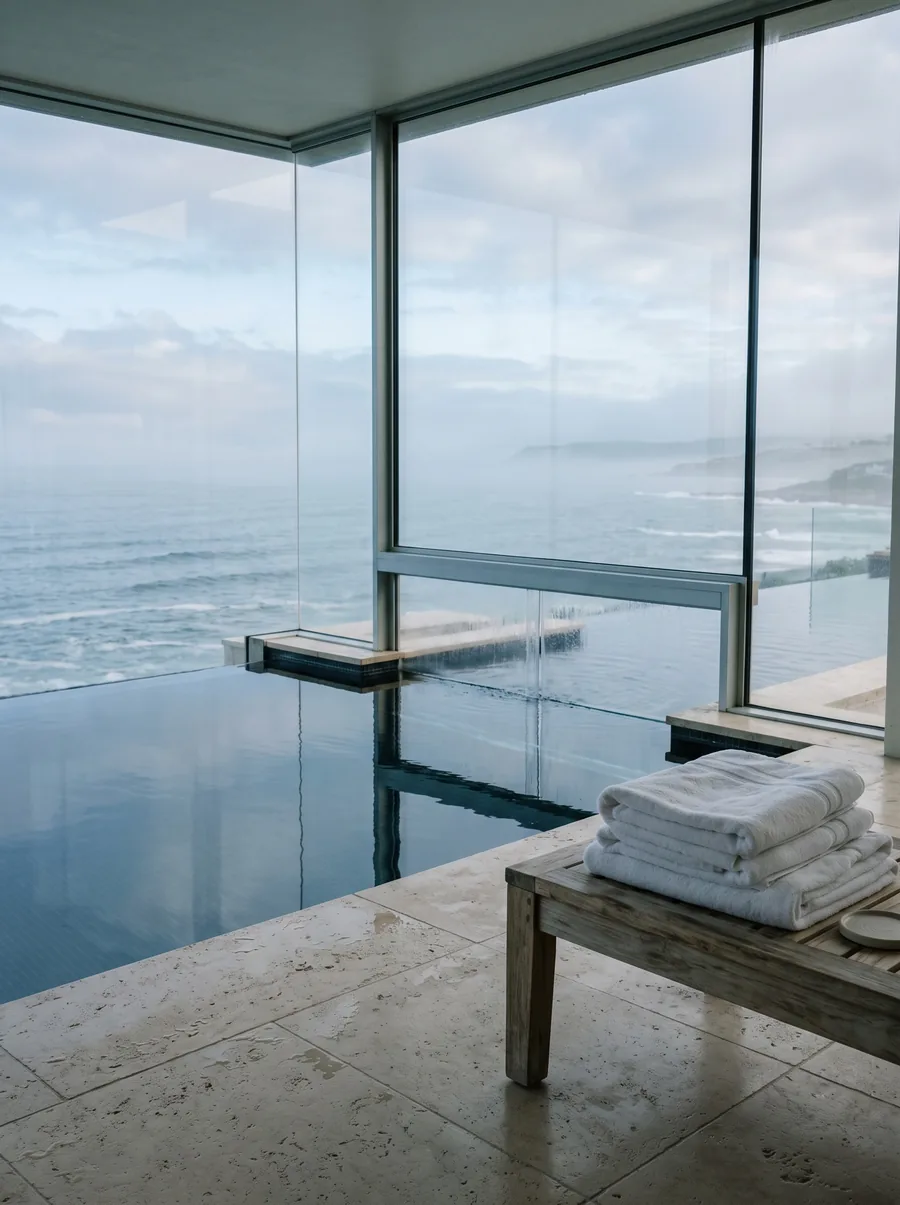
Dress codes and dietary requests, in writing
Ask what guests wear to dinner rather than whether there is a dress code; the answer is more useful. Some country houses and city dining rooms still expect a jacket, coastal hotels often draw the line at beachwear, and the bar may be more relaxed than the restaurant. Dietary needs deserve more care. A tasting menu is planned and partly prepared before you sit down, so allergies, a vegetarian or pescatarian diet, pregnancy and dislikes such as raw fish belong in the booking and again at check-in. Mark each one as an allergy or a preference, because kitchens handle the two differently.
At Monastero Santa Rosa, on the cliff at Conca dei Marini, dinner means Il Refettorio, the monastery's former refectory, where Alfonso Crescenzo has held a Michelin star since 2017. His menu is built on local fish and on vegetables from the hotel's own terraced gardens, so if you do not eat fish, say so when you book rather than at the table. The house takes guests from sixteen upwards, and it is wise to reserve your evenings with the room. In May and late September the dinner terrace is warm, and on a night off the complimentary shuttle connects the hotel with the marina in Amalfi.
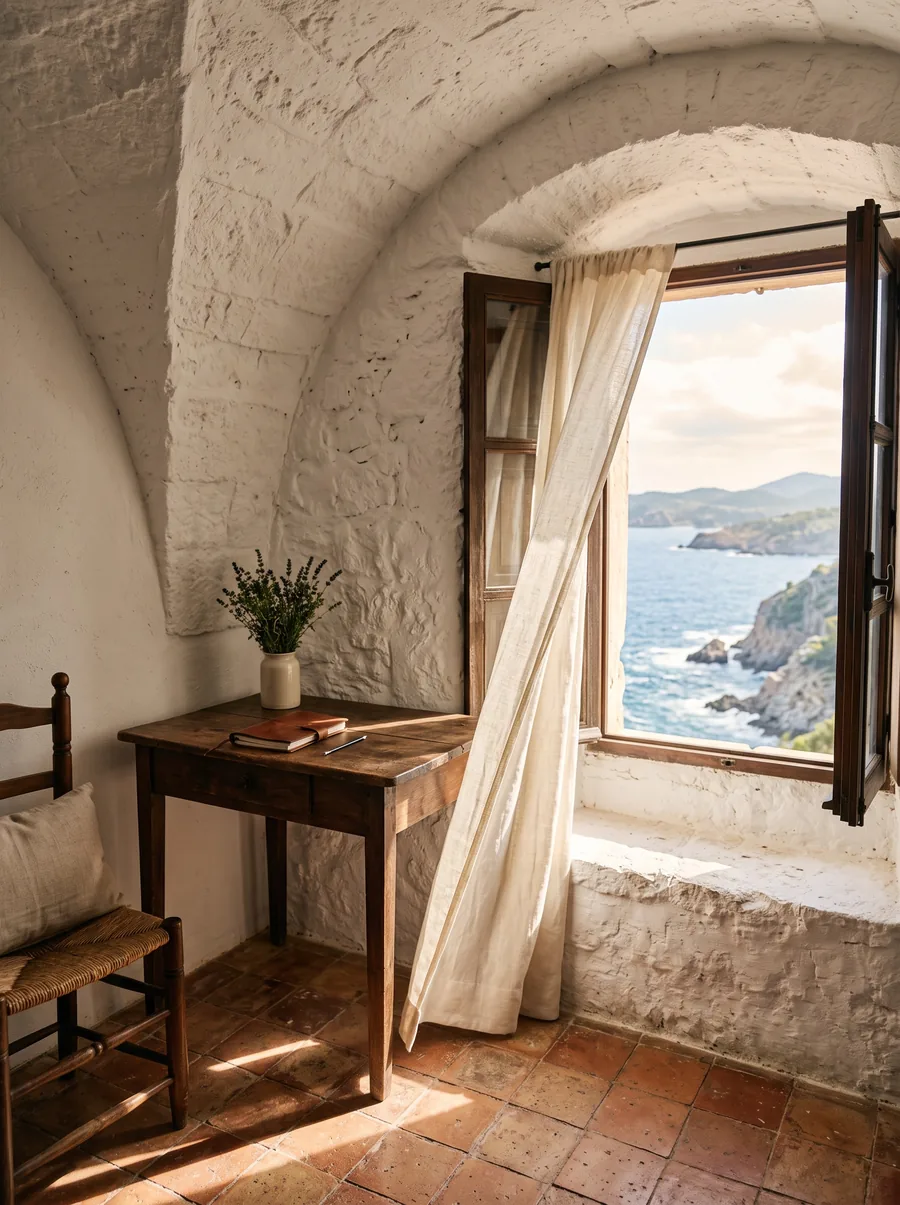
One email that settles it
Put everything into one message to the hotel before you pay:
- The evenings you want in the restaurant, with sitting and time, confirmed together with the room.
- The restaurant's closing days during your stay, and what the hotel serves on those evenings.
- For half board: which restaurant, which menu and any supplement for the tasting menu.
- What guests usually wear at dinner.
- Allergies and dietary needs, each marked as allergy or preference, and any occasion the kitchen should know about.
Take the reply with you. If something has gone astray between booking and arrival, it settles the matter at the front desk in a minute.