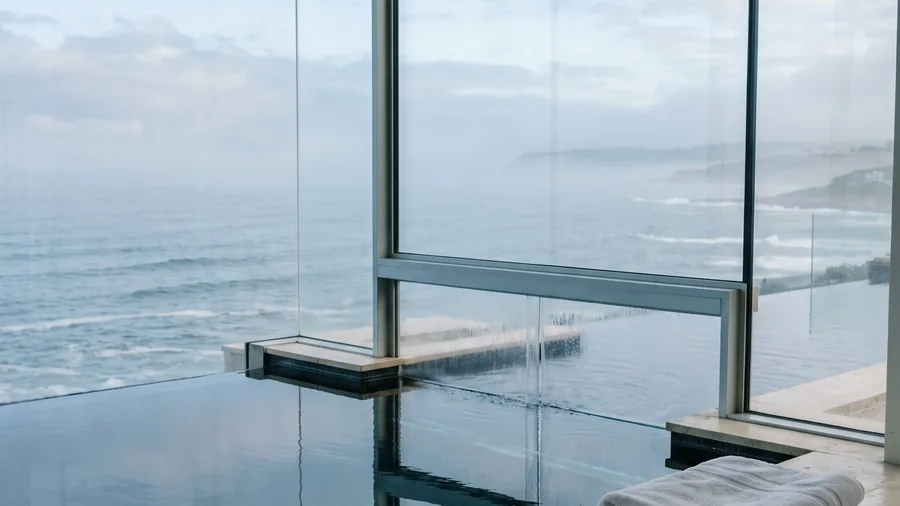
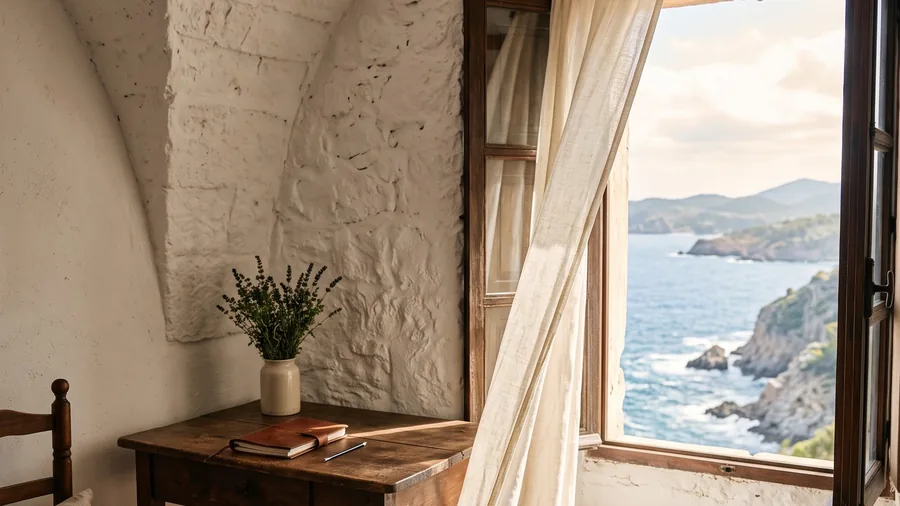
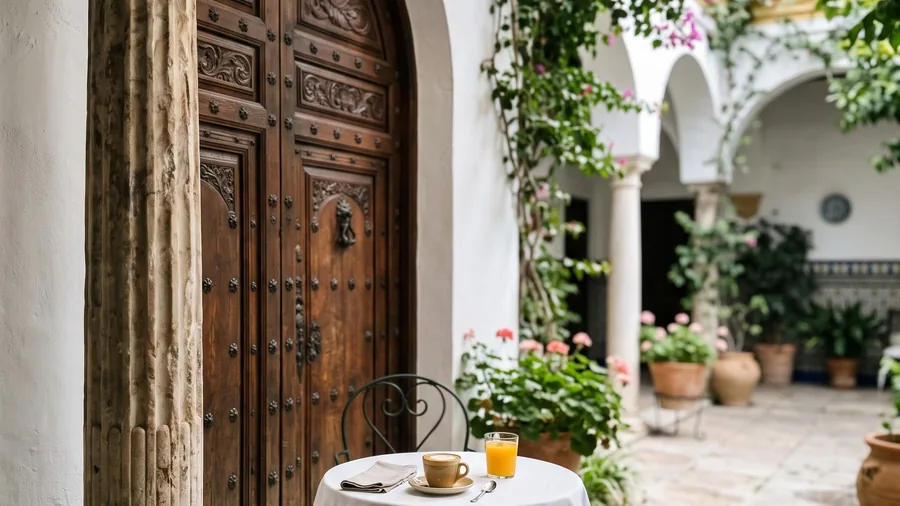
Most historic hotels sell themselves with their oldest rooms: the staircase, the tiled hall, the bar where someone famous once sat. Many guests then sleep elsewhere, in a wing added decades later or a newer block behind the garden. That is not dishonest, and some of the later rooms are the better ones. But booking pages rarely say which building a category is in, what the restoration changed or which grand rooms you may use. A little homework before you book settles all three.
The house in the photograph and the room you get
Many old hotels are several buildings under one name. The original house supplies the photographs; extensions and converted neighbours supply many of the beds, and room categories usually follow the buildings. Neither is automatically better: the old house tends to have the ceilings and the character, the later wing often the larger bathroom. Ask the reservations desk which building a category is in and when it was built.
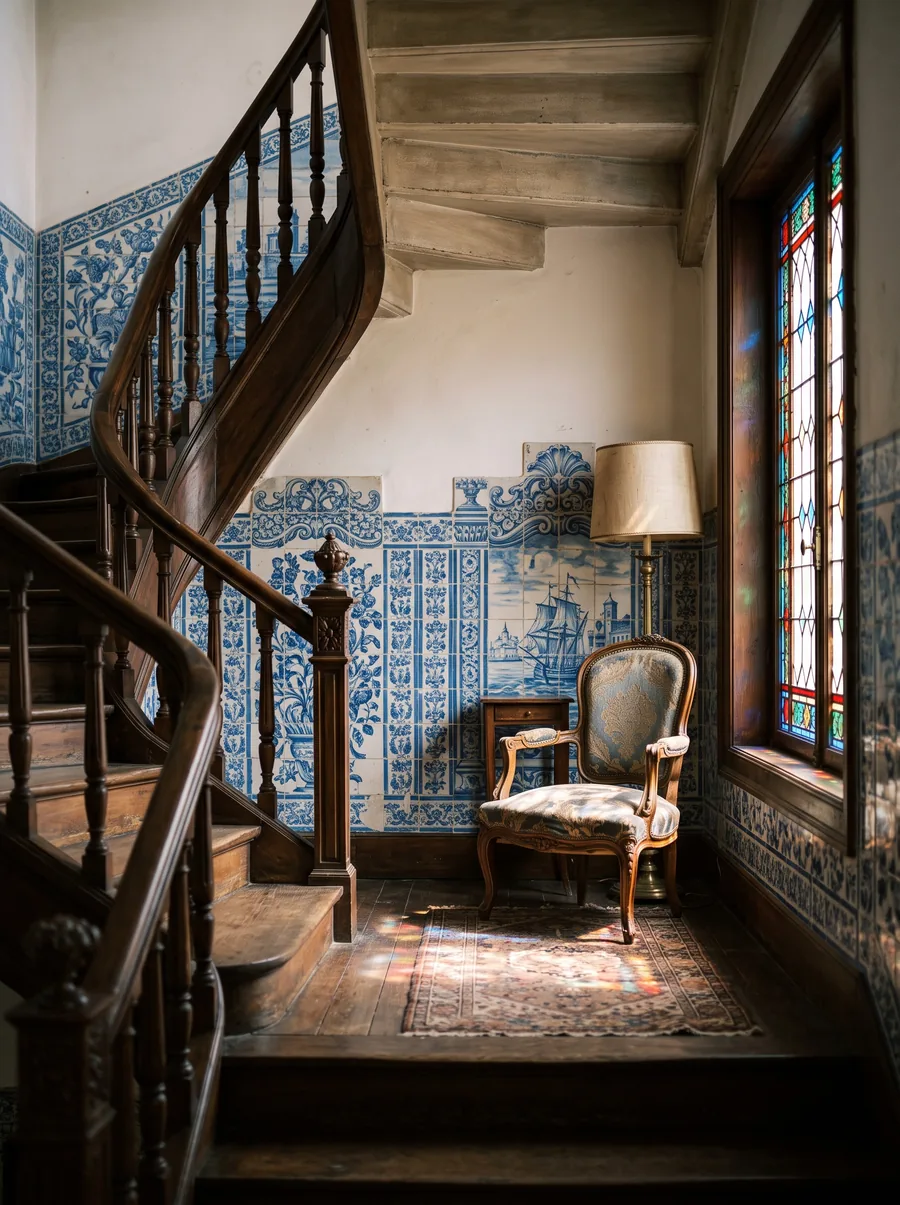
The Bela Vista at Praia da Rocha shows why. Its Neo-Manueline palacete on the cliff was built in 1918 and became one of the Algarve's first hotels between 1934 and 1936, with its azulejo panels illustrating The Lusiads and its stained glass intact. Yet the 38 rooms are spread over the palacete and two further buildings, Casa Azul and Casa Jardim. To sleep in the historic house with the ocean in the window, ask for the Junior Suite Sea View in the palacete, on a high floor, away from the avenue.
What restoration changes: windows, lifts, bathrooms
Heritage protection limits what an owner may alter, and it shows in predictable places. Windows are often kept or copied in the original pattern, so the street side can be louder or draughtier, and quiet may come from a second pane fitted inside. Lifts added to older houses often sit in a stairwell or light well, so they can be small, and some floors need a few steps. Bathrooms were often fitted into rooms never planned for them, so sizes vary within one category. Ask about step-free access, the lift, shower or bath, and when your wing was last refurbished.
Restoration can also give something back. The Beekman in Lower Manhattan occupies Temple Court, completed in 1883 as one of the city's first skyscrapers; its nine storey atrium under a pyramidal skylight was walled off for decades and only came back to light in the restoration of 2005 to 2008. The building also explains the hotel's weak spot: some rooms face the inner light well and get little daylight. Ask for a high floor on the Nassau or Beekman Street side, or one of the two Turret Penthouses with private roof terraces.
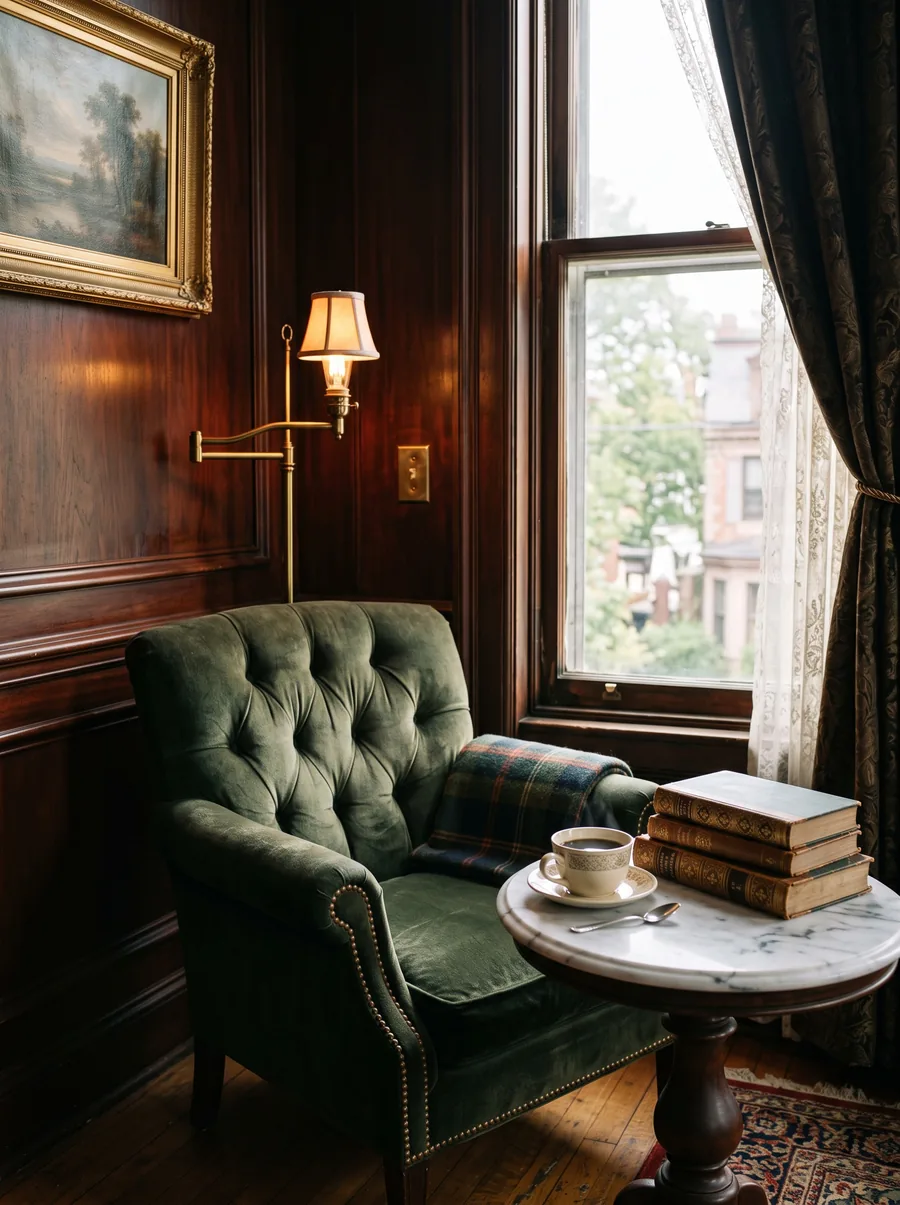
Old walls, new hotel
Some historic hotels are new hotels inside old walls: rooms and bathrooms planned from scratch, but no century of hotel life in the corridors. That is a different stay rather than a lesser one, as long as you know which kind you are booking.
Rosewood Vienna opened in 2022 in three nineteenth century buildings on Petersplatz that once housed a Viennese bank's headquarters. The neoclassical facade was kept, the banking hall became the lobby, and one building holds the apartment where Mozart lived while writing The Abduction from the Seraglio. The rooms are finished in pale wood, stone and Viennese textiles rather than gilt. Go early to breakfast under the eaves for a window table facing the dome of St Peter's Church, and end the day at THE1835, the rooftop bar named after the year the house was built.

Spend time in the public rooms
You stay in an old house, rather than admire it from the pavement, for the rooms few owners would build today: the hall, the bar, the library, the courtyard or garden. Ask whether residents may use them every day or whether they are kept for events, when the bar is quietest, and where afternoon tea is served. Then plan around them: an hour in the late afternoon, a nightcap before bed.
The Goring has never been handed to a brand. It opened in 1910, the last hotel built in London during the reign of Edward VII, and the founding family runs it still, now in the fourth generation. Behind it lies a private garden, rare this close to Victoria station; the Garden Suites and garden facing rooms look over the lawn rather than Beeston Place and are quieter for it. Take afternoon tea on the Veranda, keep an evening for the bar and its proper cellar, and book lunch as well as dinner in the Dining Room, which holds a Michelin star: at midday the trolleys go round more calmly and a window table is easier to get.

Read the building before you book
On the hotel's history page, note two dates: the year the building went up and the year it became a hotel. They can lie a century or more apart, and the second tells you more about your bedroom. Search the building's original name too, since the history often sits under it: for the Beekman that is Temple Court, a designated New York City landmark since 1998. Many countries keep a public register of protected buildings, searchable by address. Then open a satellite map: a flat roofed block behind a pitched roof, or a narrow light well, shows where the newer and darker rooms are likely to be.
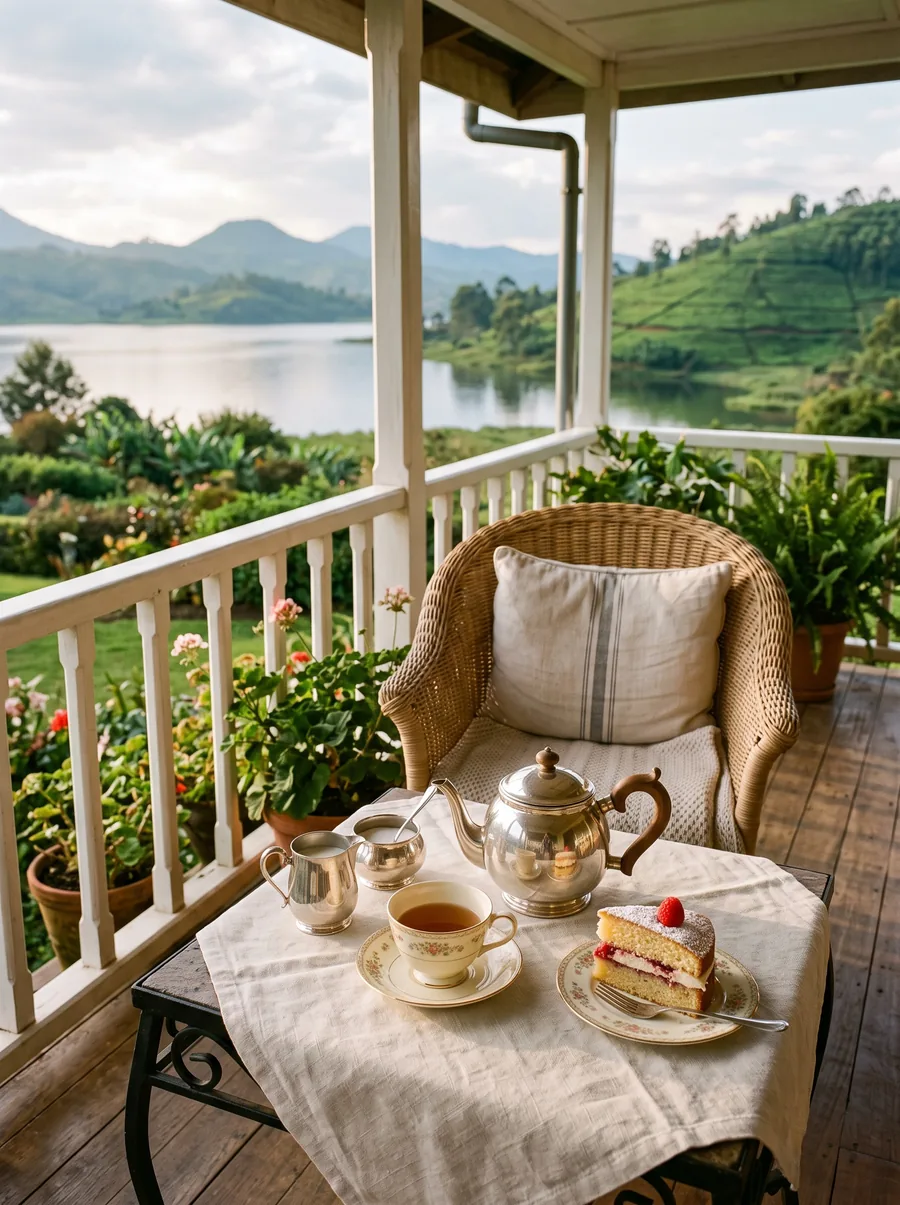
History is not always one building. Ceylon Tea Trails is five planters' bungalows in the tea estates of the Bogawantalawa valley, built for British estate managers between 1888 and 1925 and each run as a private house with its own chef and butlers, so the bungalow you choose is the stay you get. Tientsin, the oldest, keeps its clubroom character and sits highest; Castlereagh stands on the lake shore with a summerhouse in its garden, where you can ask your butler to serve afternoon tea. Come between December and April, the dry months, when the fireplaces are lit in the evenings.
Before you pay a deposit, send the reservations desk four questions:
- Which building and which floor is this category in, and when was that building built?
- When was the room last refurbished, and does it have a shower, a bath or both?
- Can the room be reached without steps, and how large is the lift?
- Which public rooms are open to residents every day, and at what times?