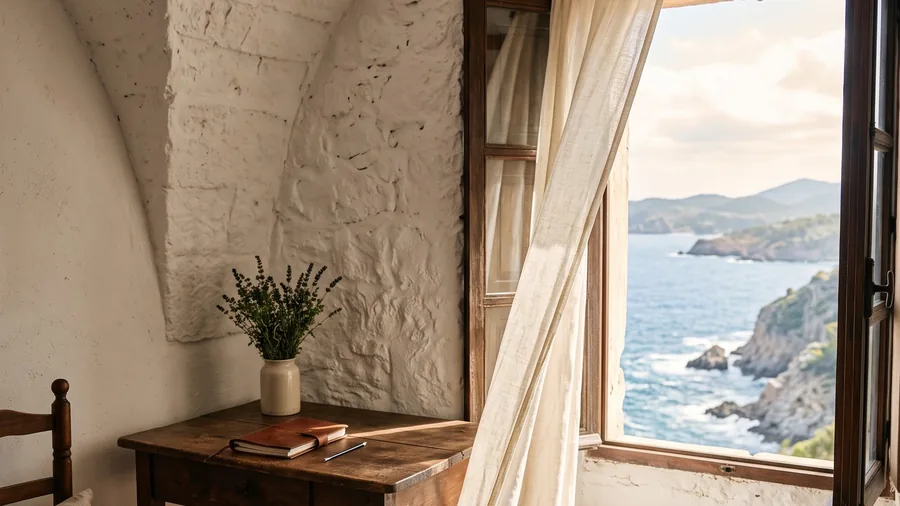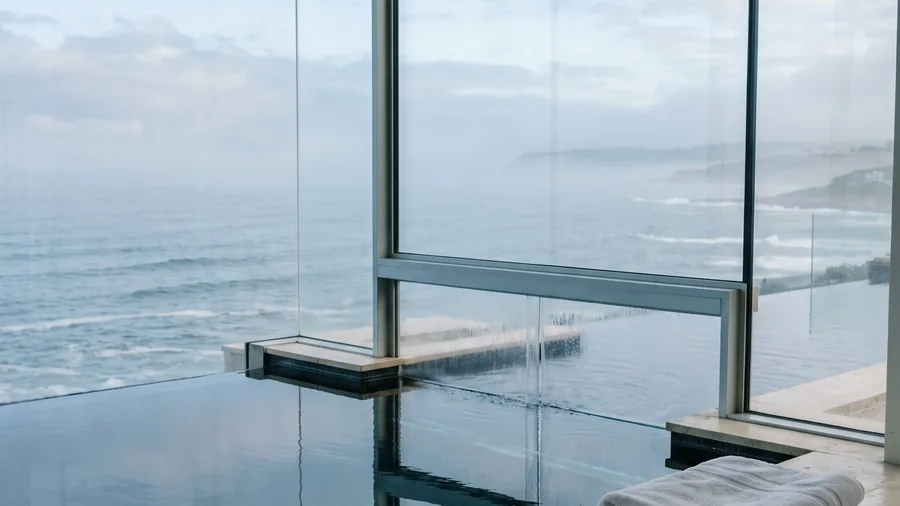
High season is high for good reasons: the weather is at its most reliable, everything is open, and everybody wants to be there at once. That last reason is the problem. By ten there is no free lounger, the restaurant is booked out, and the calm the hotel photographs promised belongs to other dates. The weeks just before and after, the shoulder season, often give you nearly the same place with far fewer people. They come with conditions, though, and most of them are printed in the hotel's own calendar if you know where to look.
What the shoulder weeks are
Shoulder season is not a fixed date but the edge of a hotel's best months. On every hotel page on hotelris those months are marked on a twelve-month strip, and the shoulder weeks usually sit at either end of the marked stretch. They suit places whose pleasures do not depend on perfect weather: walking, food, a spa, a view that works in soft light. They suit less well where one thing has to go right, such as a beach day, a clear night or a boat crossing.
What changes when demand falls
Lower demand is the point: you get the room you asked for, a table without weeks of notice and staff with time to talk. But it changes more than the rate:
- Restaurants close on certain days, in the hotel and in town, and some close for the season.
- Boats, seaplanes and shuttles run less often, or only on request.
- Hotels schedule maintenance for their quiet weeks, so ask whether any building work is planned during your stay.
- The weather is less predictable, and the sea lags behind the air: in Europe it is usually warmer in late September than in May.
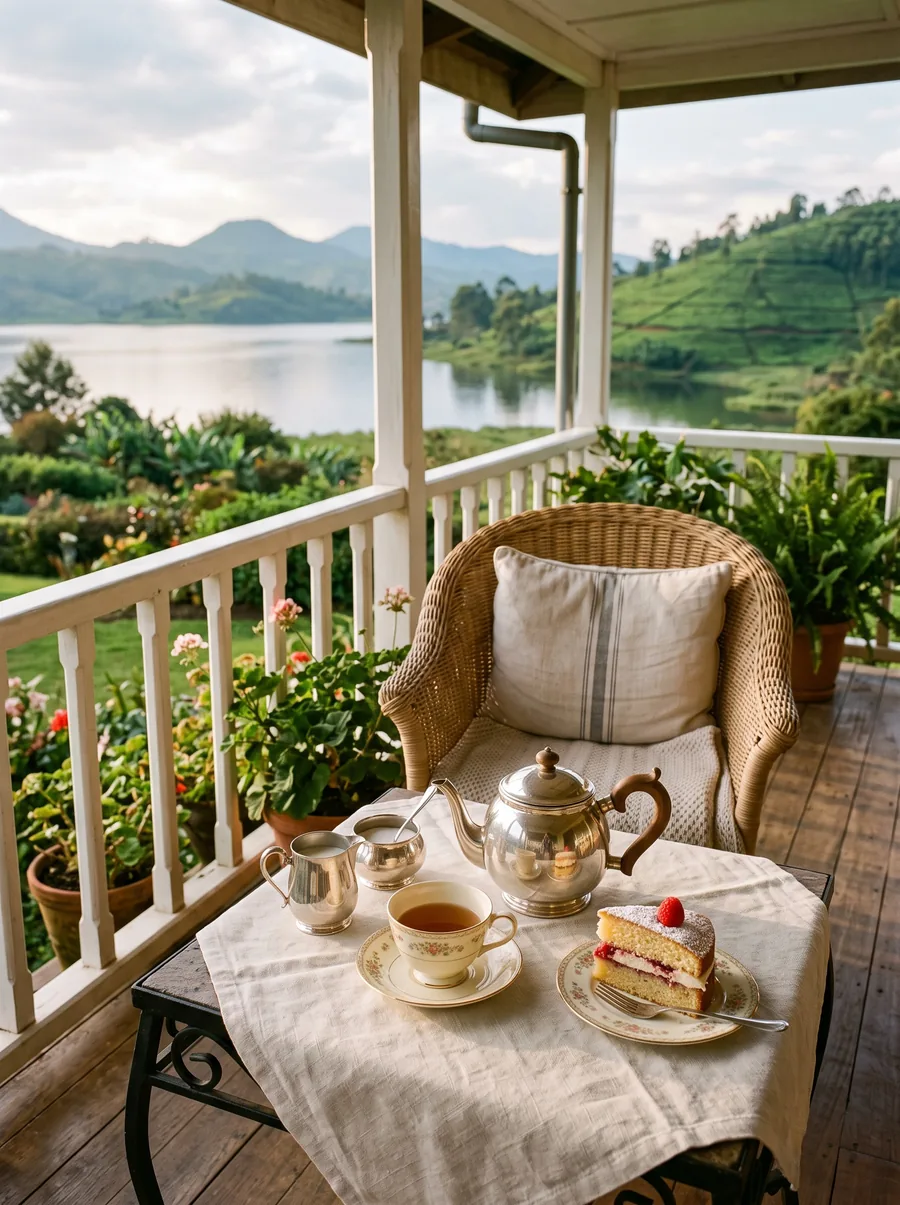
Weather remains the real risk, so learn exactly when it turns. At Ceylon Tea Trails, five planters' bungalows at around 1,250 metres in the hill country of Sri Lanka, December to April is dry and clear, with evenings around 12 degrees and the fireplaces lit, while from May to September the south west monsoon brings mist and rain. The resort can arrange a seaplane that lands on Castlereagh Lake in about 30 minutes, instead of three and a half to four hours by road from the airport near Colombo; at the edges of the dry season, ask what happens when the cloud is low. The reward is the pace: nothing is scheduled unless you ask, tea arrives on the veranda at four, and by nine the valley is dark and quiet.
How to read a hotel's own season dates
Hotels publish their seasons, though rarely in one place. Check four things before you book:
- Opening and closing dates. The first week after a seasonal opening and the last before closing can feel unsettled, so keep a little distance from both.
- Restaurant days. The main restaurant often keeps its own calendar, which matters more when the town around it is quiet.
- Transfer dates. Check that the boat, seaplane or sledge runs on your dates, and what replaces it when it does not.
- The rate calendar. The dates on which prices step up show where the hotel itself expects demand to change, and the weeks just before a step are often the best value.
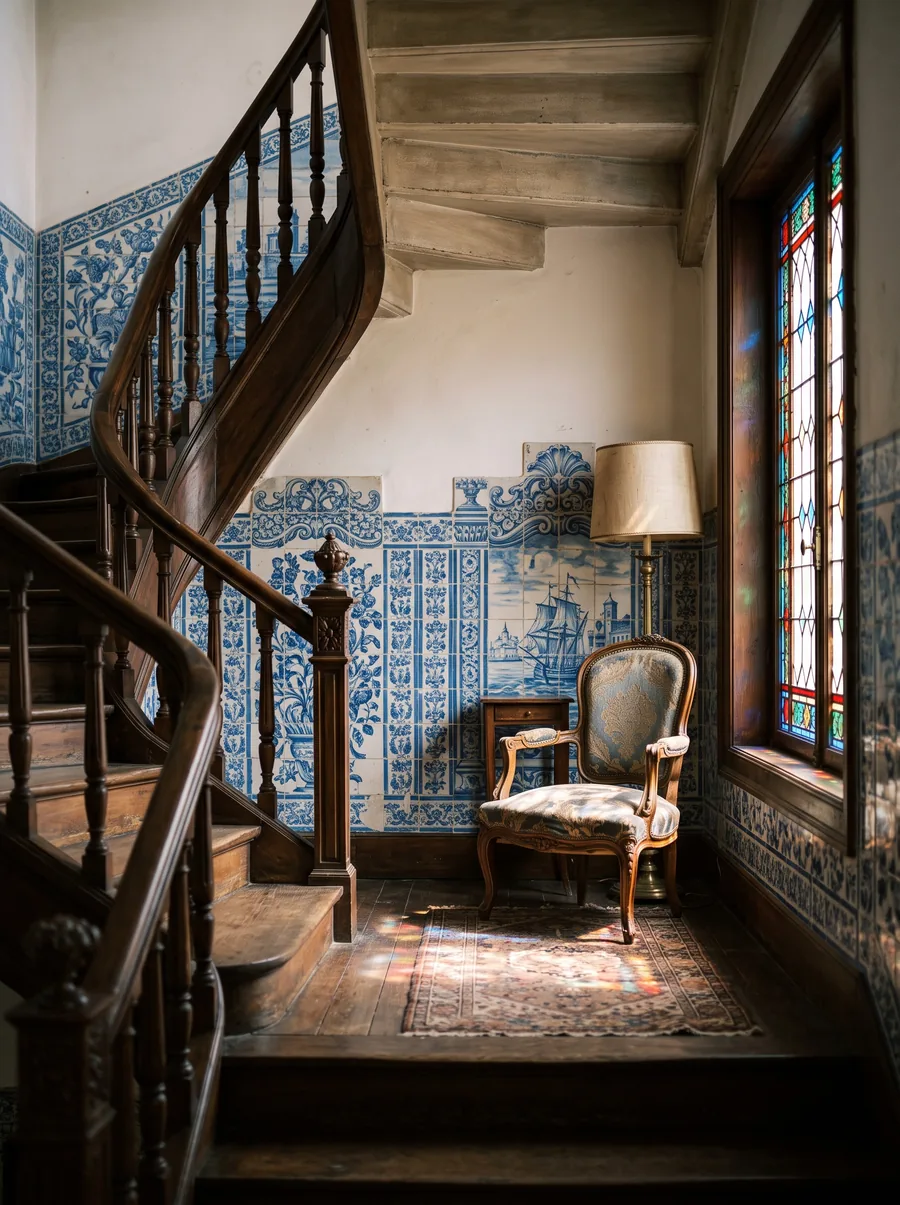
The Bela Vista in Portimão, a 1918 palacete on the cliff above Praia da Rocha, shows why this matters. The hotel closes from the beginning of November to the end of February, and Vista, its restaurant with a Michelin star, serves dinner only from Tuesday to Saturday. May, June and late September bring long days, a less crowded beach and easier tables. Plan the stay around the dinner rather than the other way round, because two nights from Sunday miss it entirely: reserve the menu when you book the room, and take a drink by the heated pool first to watch the sun go down over the Atlantic.
Places that work when the weather does not
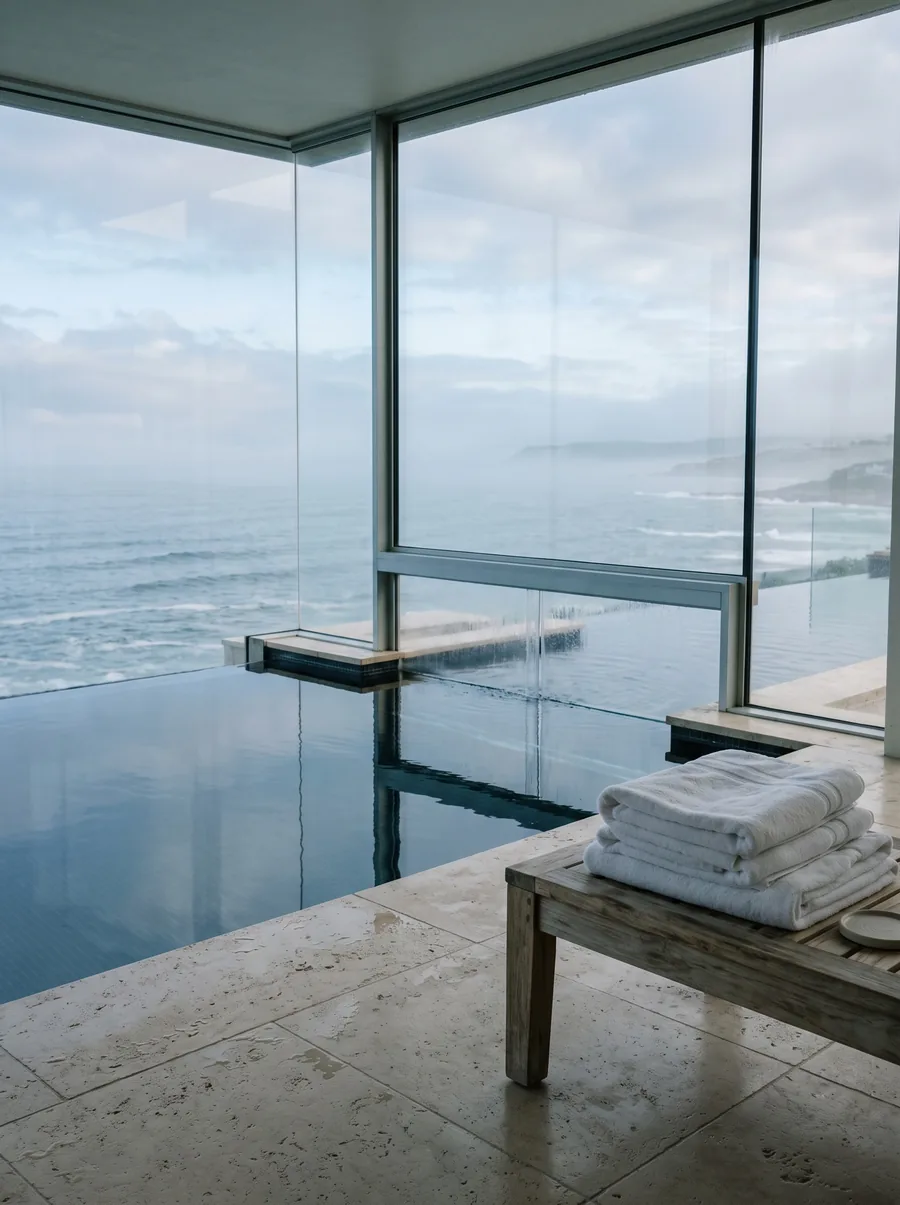
Some houses are built for uncertain days. The Cliff House Hotel in Ardmore, County Waterford, is set into the cliff so that all 39 rooms face the sea, and its spa, The Well by the Sea, has a 15 metre indoor pool behind floor-to-ceiling glass as well as a rock pool for sea swims. Its best months run from May to September, and the first of them are the ones to take: in May and June the evenings are long and the bay turns pink, seen from House, the restaurant with a Michelin star in the 2026 Guide. Ask for a window table at the first sitting. On a grey afternoon, the indoor pool and the cliff walk, which starts almost at the door and takes about an hour, fill the time well.
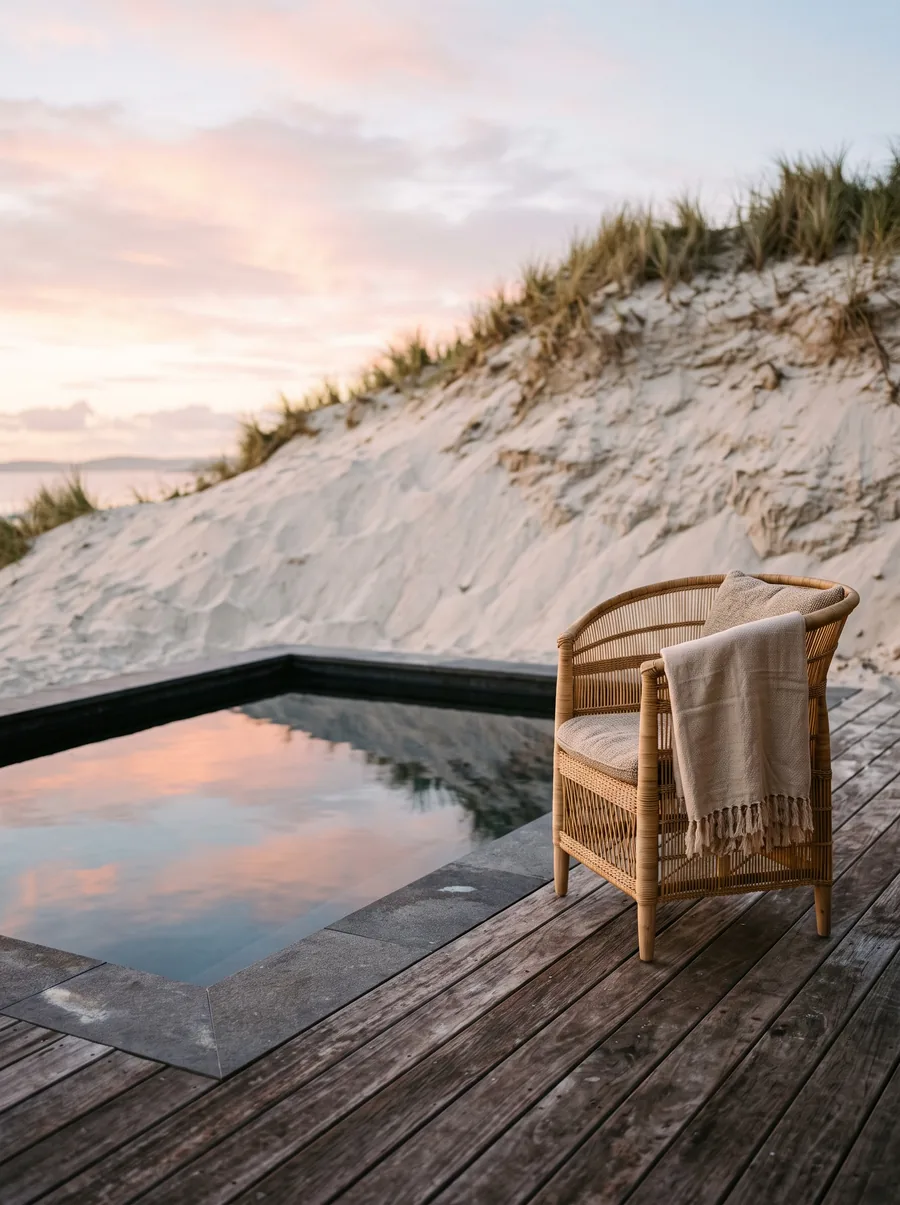
The desert turns the calendar round. At Al Maha, 42 suites inside the Dubai Desert Conservation Reserve, about an hour from Dubai International Airport, the best months run from November to March, when the guided desert walks and horse rides are pleasant. In midsummer the reserve is at its emptiest, but the day then belongs to the pool, and every suite has its own, temperature controlled, on a deck facing the dunes. For readers who want silence above everything, that can be a fair trade, as long as the walks and rides are left for another season. In any month, book the two activities included each night at check-in, since the sunrise falconry fills first.
Which months to leave alone
Some dates look like shoulder season and are traps. Avoid the month in which the weather turns, the school holidays of the countries that fill a hotel, which can turn a quiet week into high season overnight, and local festivals that do the same. And when a rate looks too good in a month the hotel does not count among its best, it is usually telling you something the brochure does not. For the four houses here, that means:
- Ceylon Tea Trails: May to September, when the south west monsoon brings mist and rain.
- Al Maha: high summer, if the desert walks and horse rides are why you came.
- Bela Vista: November to February, when the hotel is closed, and Sunday and Monday nights if dinner at Vista is the point.
- Cliff House Hotel: the months outside its May to September window, if long evenings on the bay are the reason you go.